
6 minute read
How Regular Farm Soil and Manure Sampling Can Help Reduce Fertiliser Costs

Categories
Soil and manure sampling is one of the most important starting points for good nutrient management planning. It tells you what is already available in the soil, what the crop or grassland may need, and where fertiliser or organic manures can be used more accurately.
At a time when fertiliser remains a major cost, that information is valuable.
Accurate and regular soil and manure sampling and analysis will tell you what nutrients are already in the soil, what nutrients you can harvest from manures on the farm and what nutrients you need to buy in.
In summary, we will explore how regular soil and manure sampling can help to bring your farming costs down…
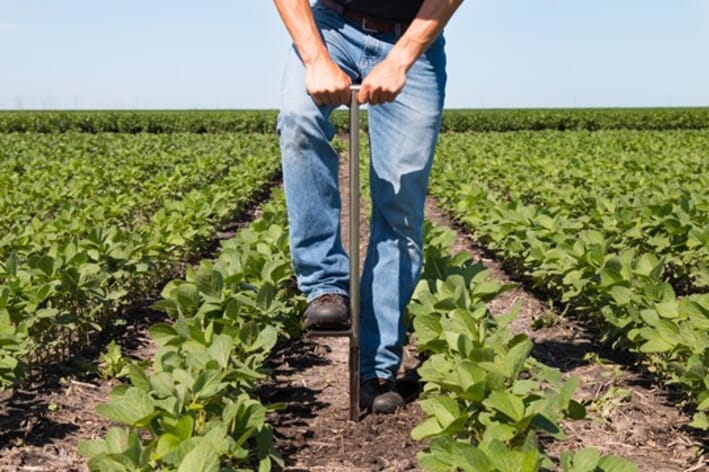
Understanding what is already in the soil
Without up-to-date soil results, farmers may be making decisions based on old data, standard figures or assumptions. That can lead to nutrients being over-applied in some areas and under-applied in others. Both can cost money. Good farm soil sampling helps farmers make better decisions about:
- fertiliser use
- manure and slurry applications
- crop and grassland performance
- nutrient management planning
- compliance
- long-term soil health
- input costs
In simple terms, soil sampling helps answer one key question: What have I already got in the soil before I buy anything else in?
Why soil sampling matters
Every crop needs nutrients to grow. But before deciding what to apply, farmers need to know what is already available. Soil sampling provides that foundation.
It helps identify the levels of key nutrients, including phosphorus, potassium and magnesium, as well as soil pH. These results are then used to guide nutrient and fertiliser decisions.
This matters because fertiliser should not be applied simply because it was applied last year, or because a standard rate has always been used.
The right decision depends on:
- what is in the soil
- what the crop needs
- what manure or slurry can provide
- what yield is expected
- what nutrients may still need to be bought in
When this information is accurate, farmers can plan more confidently.
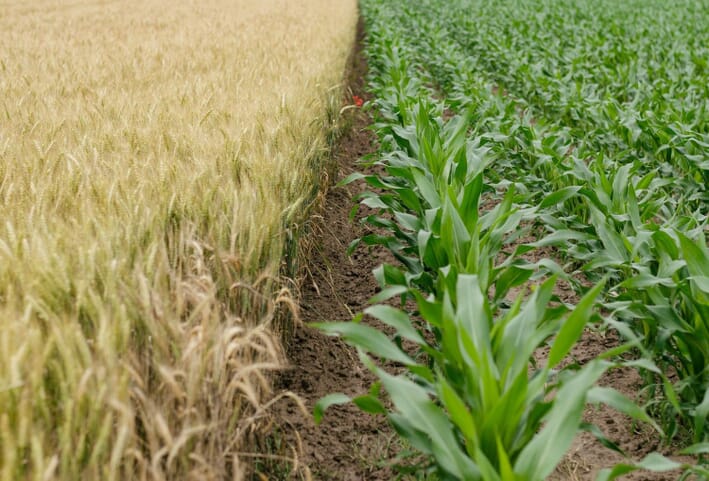
How often should soil be sampled?
Under the Farming Rules for Water, soil test results used for planning applications of organic manure or manufactured fertiliser must be no more than five years old. However, five years is a long time on a working farm.
Soil nutrient levels can change, especially where organic manures are being used, crops are being removed, or soil improvement work is taking place. For that reason, testing every three years is often better practice.
A three-year approach gives a more up-to-date picture and allows farmers to adjust nutrient plans sooner. This can be useful where a farm is trying to build soil indices, improve nutrient use, or make better use of organic materials.
Waiting five years may mean working with information that is technically still within the rules, but no longer accurate enough for the best business decisions.
Why more regular testing can save money
The cost-saving argument is simple. If soil results are out of date, the farm may not know what it really needs. That can lead to:
- buying fertiliser that is not required
- applying too much nutrient in some fields
- missing deficiencies in others
- underusing manure or slurry
- making plans based on historic conditions
- reducing crop or grassland performance
For example, a field may have built up more nutrients than expected through previous manure applications. If that is not picked up through sampling, fertiliser may still be applied unnecessarily.
Alternatively, a field may be lower than expected and not receiving enough nutrient to support the target yield. With fertiliser prices where they are, even small improvements in accuracy can make a meaningful difference across the farm.
What do soil test results show?
A standard soil test will usually show the soil’s nutrient status and pH.
The pH result is important because it affects nutrient availability. If pH is too low or too high, nutrients may not be available to the crop as expected, even if they are present in the soil. This can lead to lower yields and trace element deficiencies.
Phosphorus, potassium and magnesium results are also important as incorrect levels can lead to crop deficiencies and potentially nutrient lock up. These results are then used to guide recommendations for fertiliser, lime and organic manure applications.
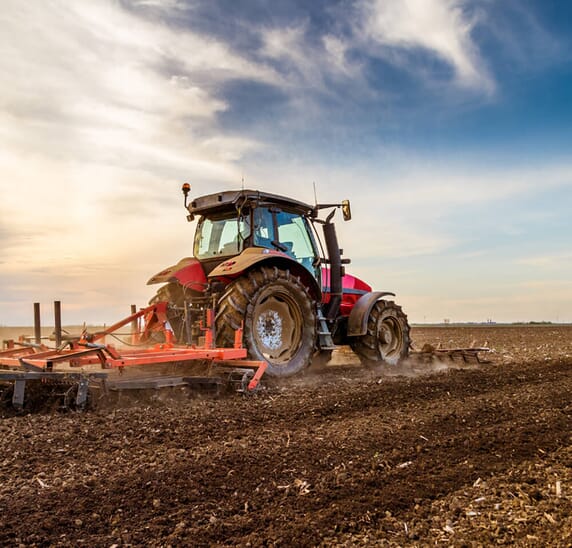
Manure analysis and yield data matter too
Soil sampling shows what is in the soil. But if a farm is using slurry, farmyard manure or other organic materials, it is also important to know what those materials contain.
Standard nutrient values can be useful, but they are only averages. In practice, manure nutrient content can vary significantly depending on animal diet, bedding, storage time, storage conditions and dry matter content.
Testing manure or slurry gives a more accurate picture. It helps farmers decide how much nutrient is being applied and how much manufactured fertiliser may still be needed.
Accurate yield information is also important, especially for grassland and silage systems.
If a farm assumes a higher yield than it is actually achieving, it may apply fertiliser for a level of production the field cannot deliver.
That can lead to unnecessary cost.
Recording bale numbers, silage trailer loads, clamp quantities or harvested yield can help nutrient plans reflect what the field is actually producing.
Key takeaways for farmers
Soil sampling is not just a compliance task. It is a practical way to improve nutrient decisions, control costs and make better use of the resources already available on farms.
The main points are:
- Soil test results must be kept up to date.
- Testing every three years is often better practice than waiting five.
- Good sampling technique matters.
- Soil results show what nutrients are already available.
- Manure and slurry should be tested too.
- Better data can reduce unnecessary fertiliser spend.
- Better data can also reduce the risk of nutrients being lost to the environment via leaching.
- Nutrient planning should be based on evidence, not assumptions.
Final thoughts
Soil and manure sampling underpins good nutrient planning. It helps farmers understand what is in the soil, what the crop or grassland needs, and how much can be supplied from manure, slurry or existing reserves before buying in fertiliser.
With input costs remaining high, this information is more important than ever.
Talk to us today about our Soil and Manure Sampling Analysis service – and we’ll help you see where you can start making savings.
>Contact us for an initial chat
Helping you focus on farming!

Helping you focus on farming!
4R Reassurance Blog & News
The 5 Most Common Farm Health & Safety Risks and How to Control Them

Key Components of a Farm Health & Safety File