Nutrient Management Planning for livestock and mixed farms
Be sure your farm gets full value from its manures, stays compliant and that your plan is right

What’s a Nutrient Management Plan?
Why it’s worth doing nutrient management properly
With increasing regulatory requirements and the need for sustainable practices, nutrient management has never been more important.
With proper planning you can:
Save money
Stay compliant
Look after your soil
What goes into your plan?
We take account of your soil analysis, cropping plans, livestock numbers, manure and fertiliser spreading details, and imported organics (e.g. biosolids, digestate, etc.) and marry them all to provide a bespoke Nutrient Management Plan. So you know exactly what nutrients need to be applied to achieve maximum yields.
Your plan includes:
Soil analysis
Current results for every field, or new sampling if yours are out of date. You’re expected to hold analysis less than five years old, but many farms don’t. We can sample as part of our service.
Cropping plan
What is going where, and what each crop needs. Applications matched to the requirement rather than to what was ordered last year.
Manures, slurries and imported organics
Livestock numbers, slurry and effluent volumes, storage, and analysis of what’s in your manures. Book figures are averages and manures vary widely from farm to farm. We sample yours rather than assume.
Field risk mapping
Colour-coded maps of your farm showing nutrient indices, the fields where manures will earn most, and the areas where run off or leaching is a risk. A map you can hand to a contractor and point at.
Compliance documentation
Application records, spreading risk maps and site drainage plans, in a form that an inspector or an auditor will accept.


Three visits not an email
-
We gather the information. Soil results, cropping, livestock and storage, what you have coming in and what you’re already doing.
-
We go through the plan with you. In person, field by field. We look at all your options, in units per acre if that’s how you think.
-
We come back later in the year. Cropping changes, the weather changes, a load of digestate becomes available. We adjust the plan and check the application records are being kept.

What you get from us that a standard plan won’t give you
Our Nutrient Management Planning service gives peace of mind that your farm meets regulations.
-
![Picture1]()
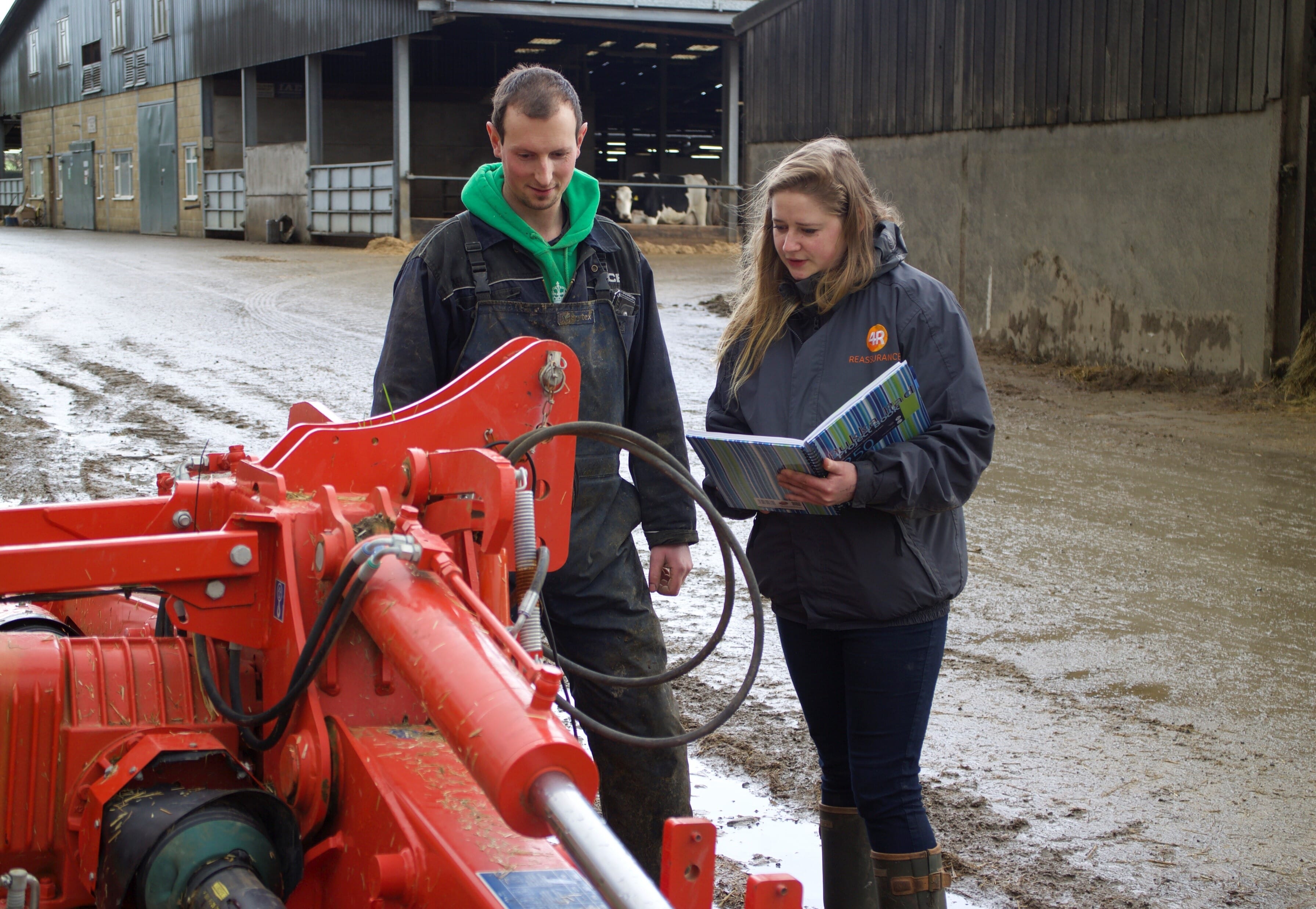
The best fields, not the nearest
Anyone can spread manure on the twenty acres closest to the yard. We identify which fields will give you the most value from it. -
![20241003_122046]()
A financial value for your own organics
What your slurry and farmyard manure are worth in bought fertiliser terms, so you can see the value of what you’re already sitting on. -
![Snow]()
Livestock and arable joined up
An agronomist will sort the arable side. But livestock calculations, slurry calculations and effluent generation are usually not part of their work. We link the two together for you. -
![slider-4]()
Imported organics accounted for
Digestate, biosolids, poultry litter and other materials, valued and placed properly rather than treated as a bonus. -
![Tractor spraying pesticides at corn fields]()
Independent advice
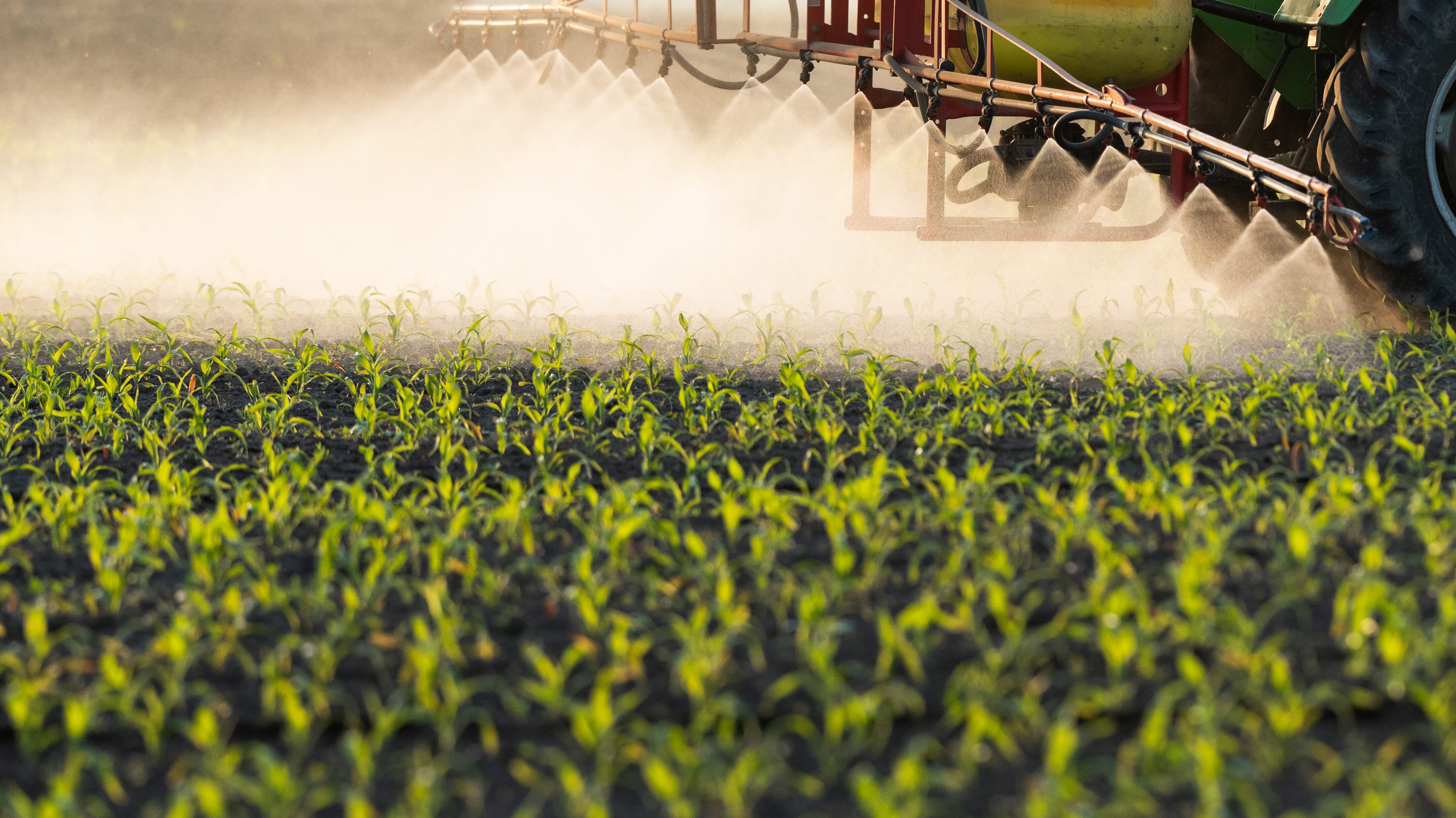
We do not sell fertiliser. A plan produced by a supplier can, in part, be justification for an order. Ours isn’t. -
![IMG-20240619-WA0008]()
Everything an inspection asks for
Livestock calculations, slurry calculations, effluent generation, site plans, storage, records. We have sat in on inspections with farmers and been asked for all of it. You can be confident you have everything covered.



Nutrient Management Planning and the rules
Regulation around nutrients has tightened and will tighten again. The Environment Agency now carries out close to 5,000 farm inspections a year, and since the revised Farming Rules for Water guidance in 2025 it has moved from advice to enforcement. A plan that shows what you applied, where, when and why is the best answer.
Farming Rules for Water
Plan manure and fertiliser to match crop and soil need, allow for soil conditions and weather, and keep records. Since 2025 the match must be shown at the time of spreading, backed by recent soil analysis. You need to justify every application.
Nitrate Vulnerable Zones
Limits on nitrogen, closed periods for organic manures and manufactured nitrogen, storage requirements and record keeping. Your plan sets out the position field by field and keeps you inside the limits.
Farm assurance and scheme requirements
Red Tractor and other schemes expect a Nutrient Management Plan and current soil analysis. So do an increasing number of supply contracts. We build the plan to satisfy the scheme and the regulator.
Inspections
Plans are checked by the Environment Agency, Natural Resources Wales and the RPA. If you have a date in the diary, tell us when you call. We’ve been on farm with customers during Farming Rules for Water inspections.
Sustainable Farming Incentive and soil management
Soil sampling, soil management planning and erosion risk assessment can be built into the same visit rather than paid for separately.
Who our Nutrient Management Planning service suits
Your questions, answered
Want to improve yields and reduce risks on your farm, but have some questions? See our FAQs.
What’s a Nutrient Management Plan?
Do I need a Nutrient Management Plan?
What are the Farming Rules for Water?
What is the NVZ closed period?
How can I save money on bought fertiliser?
How much is my farmyard manure and slurry worth?
Can my agronomist write my Nutrient Management Plan?
Can I use a Nutrient Management Plan template?
How long does it take to create a Nutrient Management Plan?
4R Reassurance Blog & News
The 5 Most Common Farm Health & Safety Risks and How to Control Them

How Regular Farm Soil and Manure Sampling Can Help Reduce Fertiliser Costs

Helping you focus on farming!