7 minute read
The 5 Most Common Farm Health & Safety Risks and How to Control Them
Categories
Farming is one of the most hazardous industries in the UK. The work is practical, physical and often unpredictable. Farmers and farm workers deal with machinery, livestock, vehicles, chemicals, electricity, working at height, lone working and members of the public – often on the same working day.
That is why Farm Safety Week (20-24 July 2026) is such an important annual reminder.
Health and safety is not about paperwork for the sake of it. It is about reducing the risk of serious injury, protecting the people who work on the farm, and making sure everyone knows how to work safely.
Why farm safety matters
Farming accounts for a small proportion of the working population, but a much larger proportion of workplace deaths.
In fact, the Health & Safety Executive (HSE) states that: ‘In the last ten years, almost one person a week has been killed as a direct result of agricultural work. Many more have been seriously injured or made ill by their work’.
The good news is that many risks can be reduced with practical controls.
The most common farm health & safety risks
1. Moving vehicles
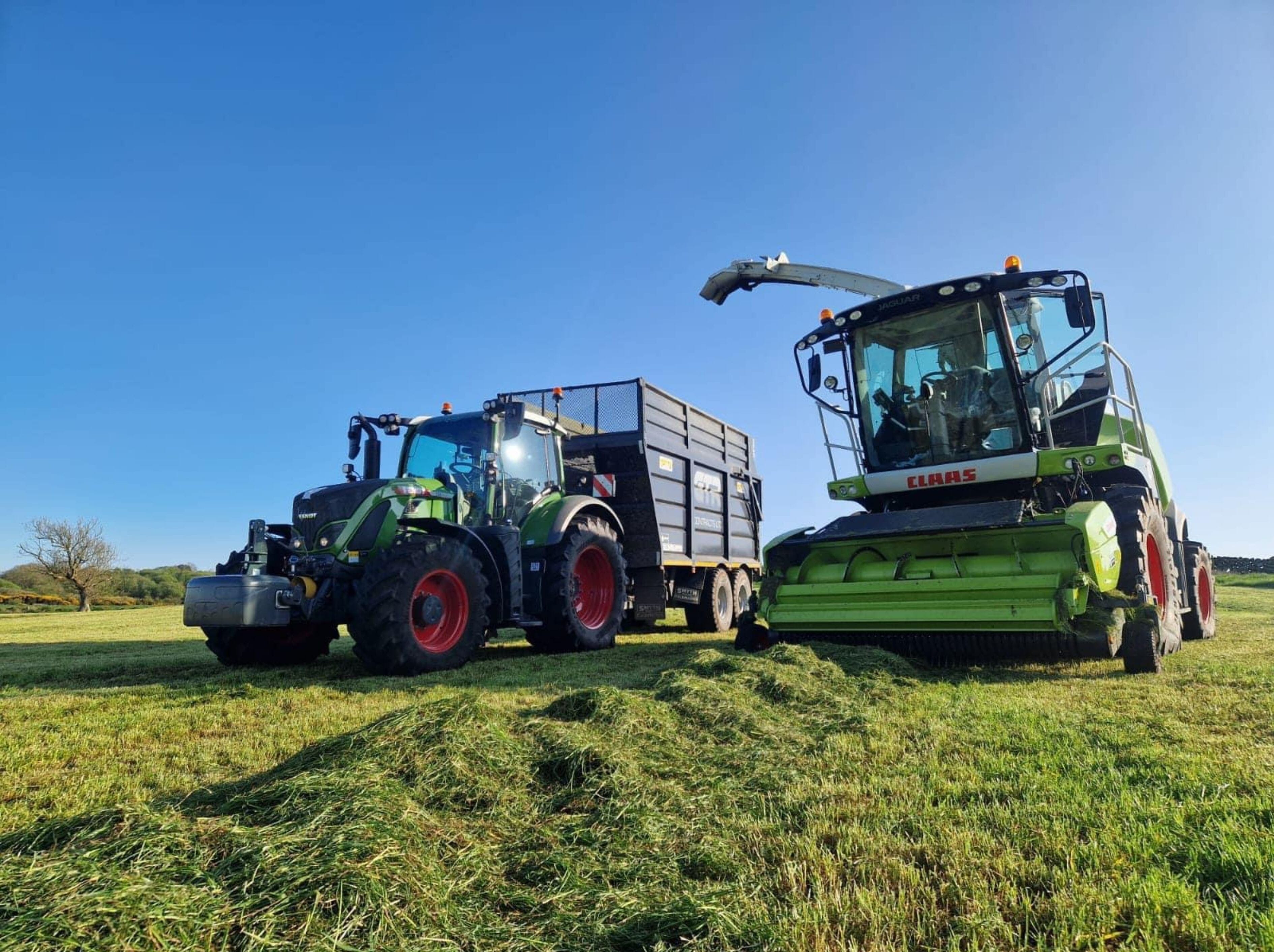
Moving vehicles are one of the biggest causes of serious and fatal accidents on farms. Farmyards are busy working environments, with tractors, telehandlers, loaders, delivery vehicles, contractors, staff, family members and visitors often moving through the same areas.
This creates risk, especially when people and vehicles are not clearly separated, and when there are children, visitors or contractors unfamiliar with the site.
Practical controls can make a significant difference. These may include:
- keeping pedestrians and vehicles separate where possible
- using clear routes for farm traffic
- setting designated parking and delivery areas
- keeping children away from working yards
- using mirrors, cameras and alarms where appropriate
- making sure lights and beacons are working
- keeping yards tidy and well lit
- briefing contractors and visitors on where to go
- using clear signage for vehicle movements and restricted areas
As with all farm safety, the most important point is making sure everyone understands how vehicles move around the site. A system that is obvious to the farm team may not be obvious to a contractor, visitor or new member of staff.
Moving vehicle risks should be reviewed regularly, especially during busy periods such as harvest, silage, calving or lambing, when yards are under more pressure and shortcuts are more likely.
2. Electrical safety
Electrical systems are a common issue on farms. The harsh environment means that infrastructure can deteriorate over time, so electrical installations should be inspected and tested regularly – ideally every three to five years, depending on the risk of the premises.
This helps check that:
- circuits have not degraded
- protective devices are working
- systems are safe for continued use
- fire risk is reduced
Electrical faults can create a safety risk so it is important that inspections have been regularly carried out in case there is a fire and insurance questions are raised.
3. Machinery guarding
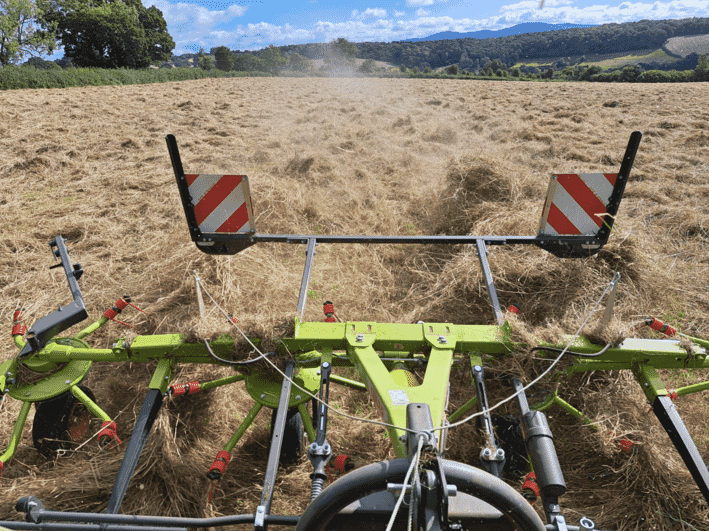
Machinery remains one of the biggest safety risks on farms. Guards are sometimes removed for maintenance and not replaced. Damaged parts are often put in the ‘I’ll fix it one day’ category, only to deteriorate further leading to potential hazards.
As a rule, all moving parts on machinery that could cause entanglement – such as chains and belts – should be properly guarded. Machinery should not be used if guards are missing, damaged or ineffective.
Regular checks on machinery should be part of everyday farm management, especially during busy periods when shortcuts are more likely. And any damaged or worn out parts should be replaced promptly, not left to linger on the ‘to do’ pile.
4. Livestock handling
Livestock can be unpredictable, even for experienced farmers. Cattle, in particular, can cause serious injury through crushing, kicking or trampling. The risk can increase around calving, when maternal instinct may change an animal’s behaviour.
Complacency is a real issue. Many farmers have handled livestock all their lives, but experience does not remove the risk. Older farmers may also face greater risk if they are less able to move quickly out of danger.
Practical controls include:
- well-designed handling systems
- secure gates and barriers
- good lighting
- escape routes
- avoiding working alone where possible
- keeping children and visitors away from livestock areas
- taking extra care around cows with calves
5. Signage and public access
Signage may seem like a basic requirement, but it is surprising how often it is missing from farmyards.
Clear signs provide important information to workers – especially new or seasonal staff who may not be familiar with the farm’s layout and operations. It also helps direct and advise visitors – such as HSE inspectors, contractors and members of the public. This is especially important where public rights of way cross farmland.
Signs may be needed for:
- fragile roofs
- moving vehicles
- machinery
- electricity
- slurry stores
- livestock
- restricted areas
- unauthorised access
- public footpaths
Good signage does not remove the need to manage risk, but it helps provide clear instructions and warnings. It also shows that the farm has taken reasonable steps to inform people of potential hazards.
Whole-team engagement
A health and safety file is only useful if people know what is in it. On some farms, documentation exists mainly for inspection, but the wider team has not seen it or been involved in it. Regular conversations and staff involvement can help improve safety culture and reduce the chance of accidents.
The people doing the work are often the people most likely to spot the risks. They should be involved in discussions about safer ways of working and be invited to contribute to the Health & Safety file of the farm.
Another consideration is that during an inspection, the HSE may ask individual staff about the safety culture of the farm, and whether they have had sight or input into the health and safety documentation. For all farms, regardless of status, size or enterprise, the answer to this needs to be ‘yes!’
Which farms need a Health & Safety file?
Farms with more than five employees must have written health and safety arrangements. That includes small farms where family members make up part of the workforce or where seasonal staff are employed.
In addition, any farm that wants to meet Red Tractor assurance standards, must have a written health and safety policy.
Written documents may include:
- health and safety policy
- risk assessments
- training records
- machinery checks
- electrical inspection records
- accident and near-miss records
- contractor information
- emergency procedures
Having an up-to-date Farm Health & Safety file helps show that risks have been considered and managed responsibly. You can read more about what needs to be included in our blog, Key Components of a Farm Health & Safety File.
Improve your farm’s health & safety
Farm Safety Week (20-24 July 2026) is a useful reminder, but health and safety should not be a once-a-year exercise. As HSE states, ‘it needs to be part of everyday farm management’.
Most farms already know where their biggest risks are. The next step is making sure those risks are properly controlled, clearly communicated and regularly reviewed. That is what good farm health and safety is really about.
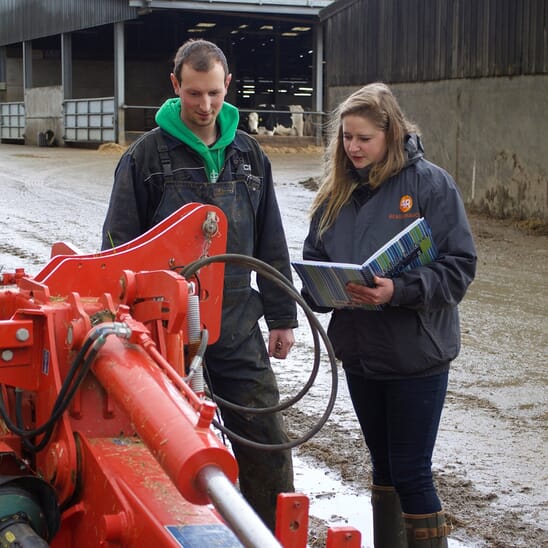
At 4R Reassurance, our health and safety advisory service helps you keep on top of things, with four visits a year where we get to know your farm, assess your unique risks and offer guidance, training and ongoing reviews and support.
Helping you focus on farming!

Helping you focus on farming!
4R Reassurance Blog & News
How Regular Farm Soil and Manure Sampling Can Help Reduce Fertiliser Costs
Key Components of a Farm Health & Safety File