Farm Health & Safety, written for your farm
Be sure your people are safe, with bespoke risk assessments, regular farm visits and training

What our farm Health & Safety service covers
We provide specialist farm Health & Safety consultancy across England and Wales. Our service includes a Health & Safety file written for your farm, four on-farm visits a year, staff training in your yard and a personal adviser you can call direct. Your file covers risk assessments, COSHH, farm maps and site plans, policies, training records, an action plan and permits to work.
Nothing is templated. Everything comes from seeing your fields, buildings and machinery first-hand, and talking to your staff.
If you employ people, paid or unpaid, you have a legal duty to keep them safe, along with visitors, family and the public. With five or more employees, your policy and risk assessments must be written down. Most farms know this. Finding the time and knowing where to start is the hard part. That’s where we come in. So you know you’ve done things right.
A smarter approach to farm Health & Safety
Our Farm Health & Safety service offers a comprehensive approach that’s tailor-made to your farm and needs.
A file about your farm
One adviser, four times a year
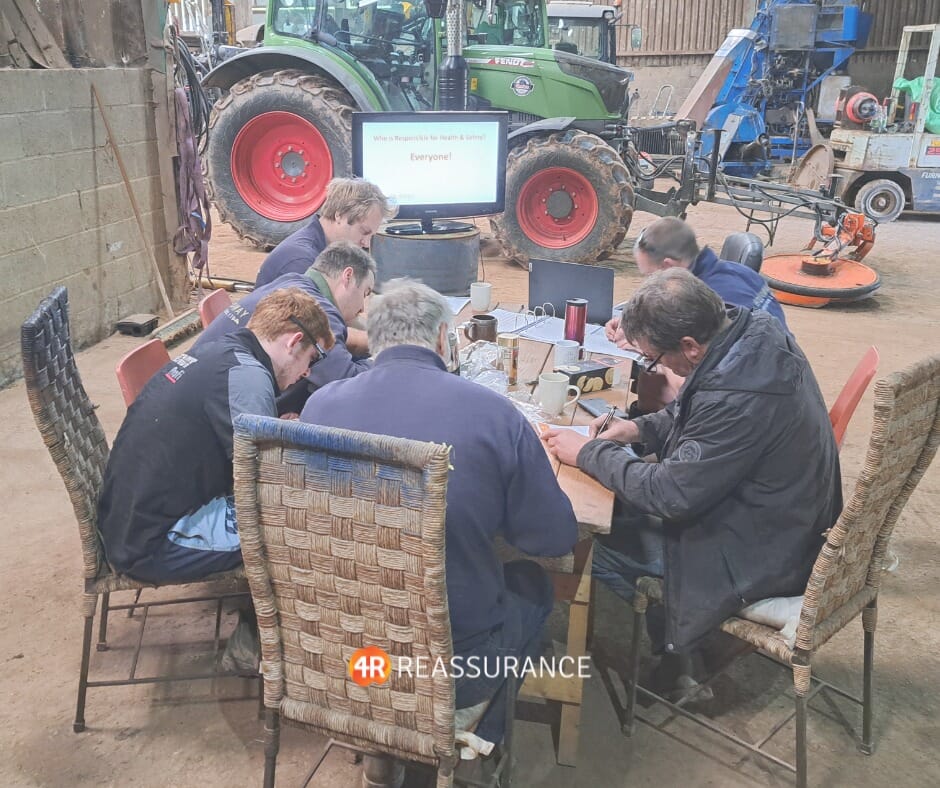
Training your staff engage with
How it works
-
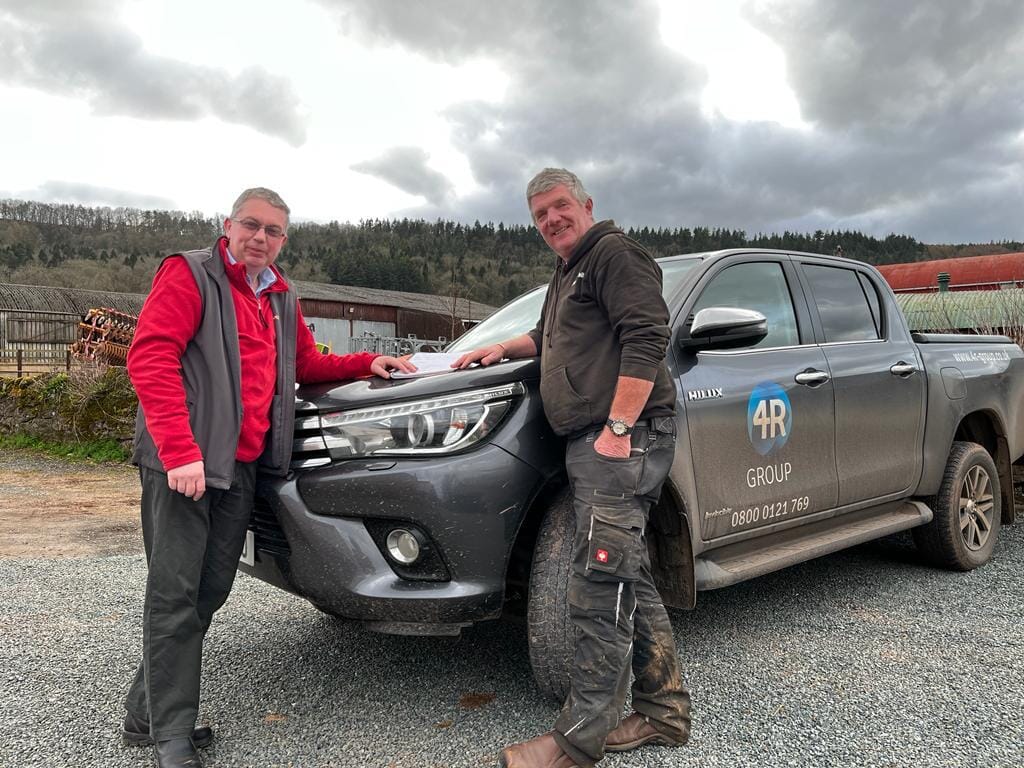
We walk your farm. We carry out a full inspection with photographs and comprehensive notes, plus a conversation with you and your staff about how the work is really done.
-
We build your file. Including risk assessments, COSHH, maps, policies and an action plan ranked by priority.
-
We go through your file together, line by line, so you know what’s in it and what to do first.
-
Diversification. Site audits and information packs for lettings, storage, farm shops and holiday units

What’s in your farm Health & Safety file?
-
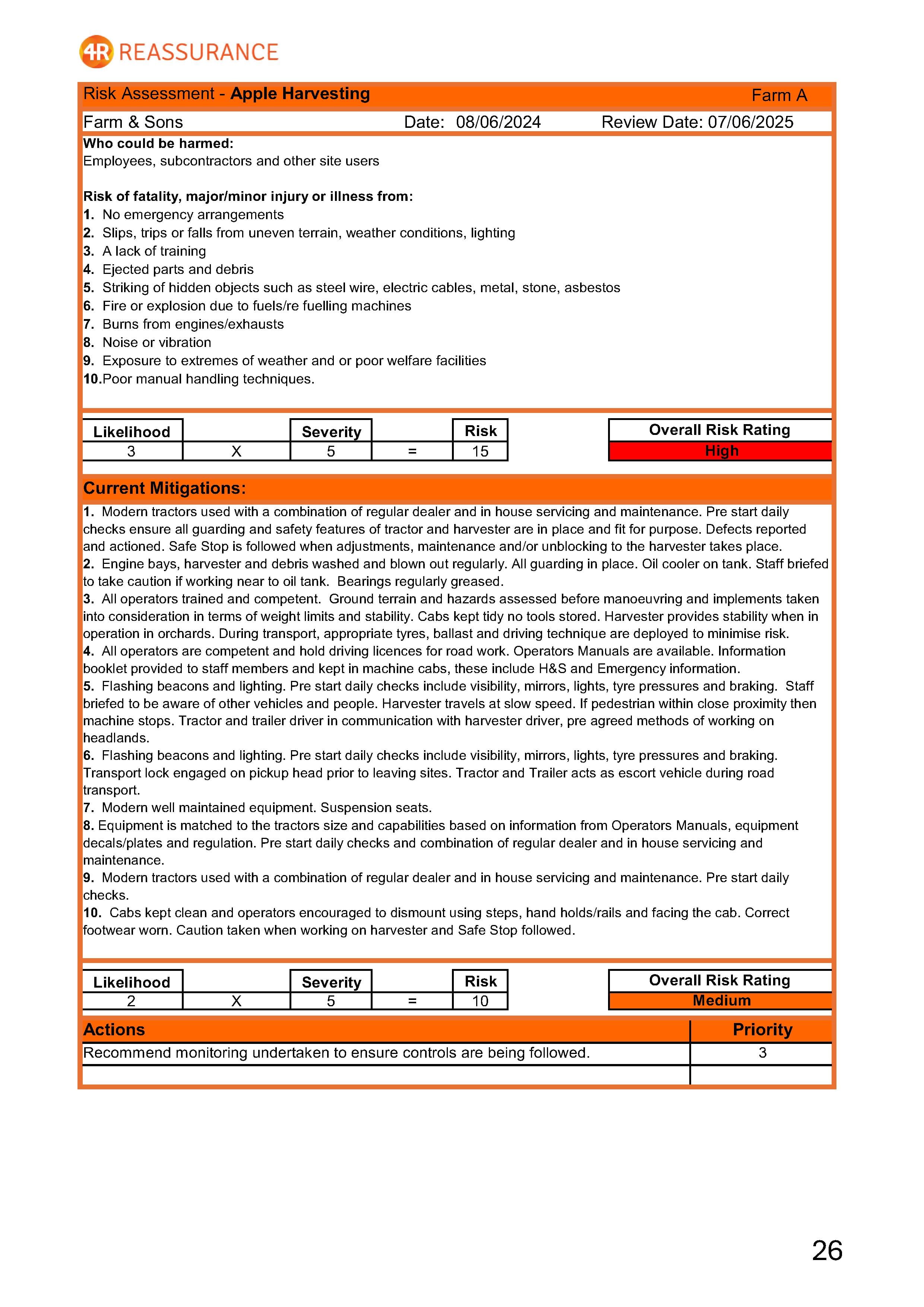
![Risk Assessment_1]()
Bespoke farm risk assessments
Written for the work that goes on around your farm, with practical suggestions for making each job safer. Not a generic pack with your farm name dropped in. -
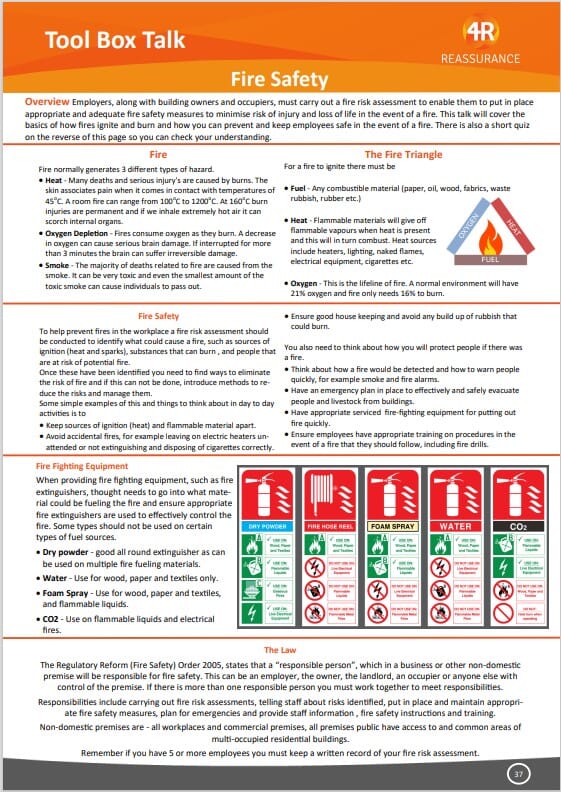
![Toolbox Talk - Front]()
On-farm staff training
Sessions built around your farm and your farming year, plugging any training gaps and covering the topics that matter to you. We also run inductions for new starters and seasonal workers, including students arriving for the summer. -
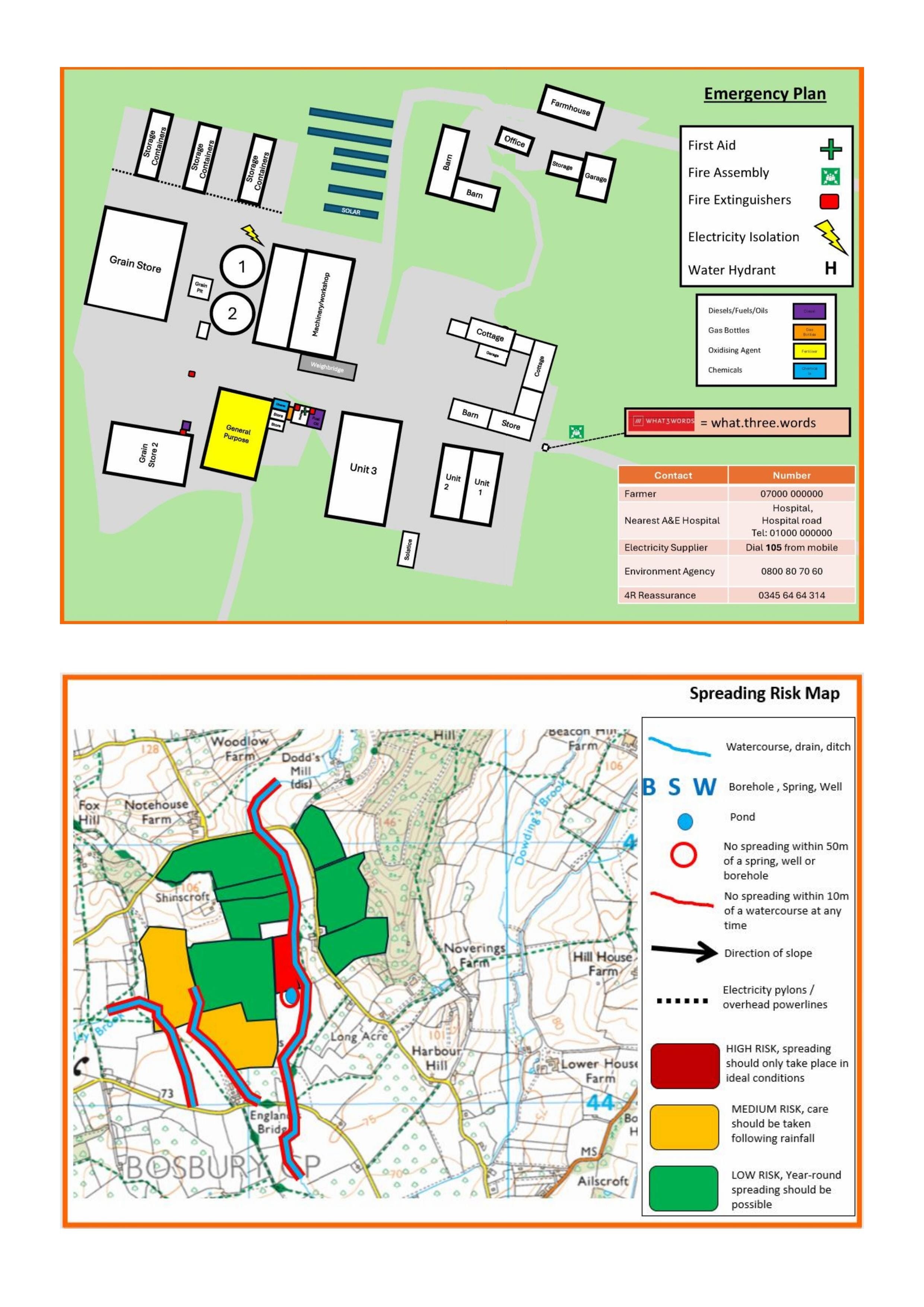
![Map & Site plan]()
Colour coded farm maps and site plans
Easy to read plans showing first aid points, fire extinguishers, chemical storage, overhead power lines, mains water and drainage. Crucial in an emergency and useful for anyone new on the farm. -
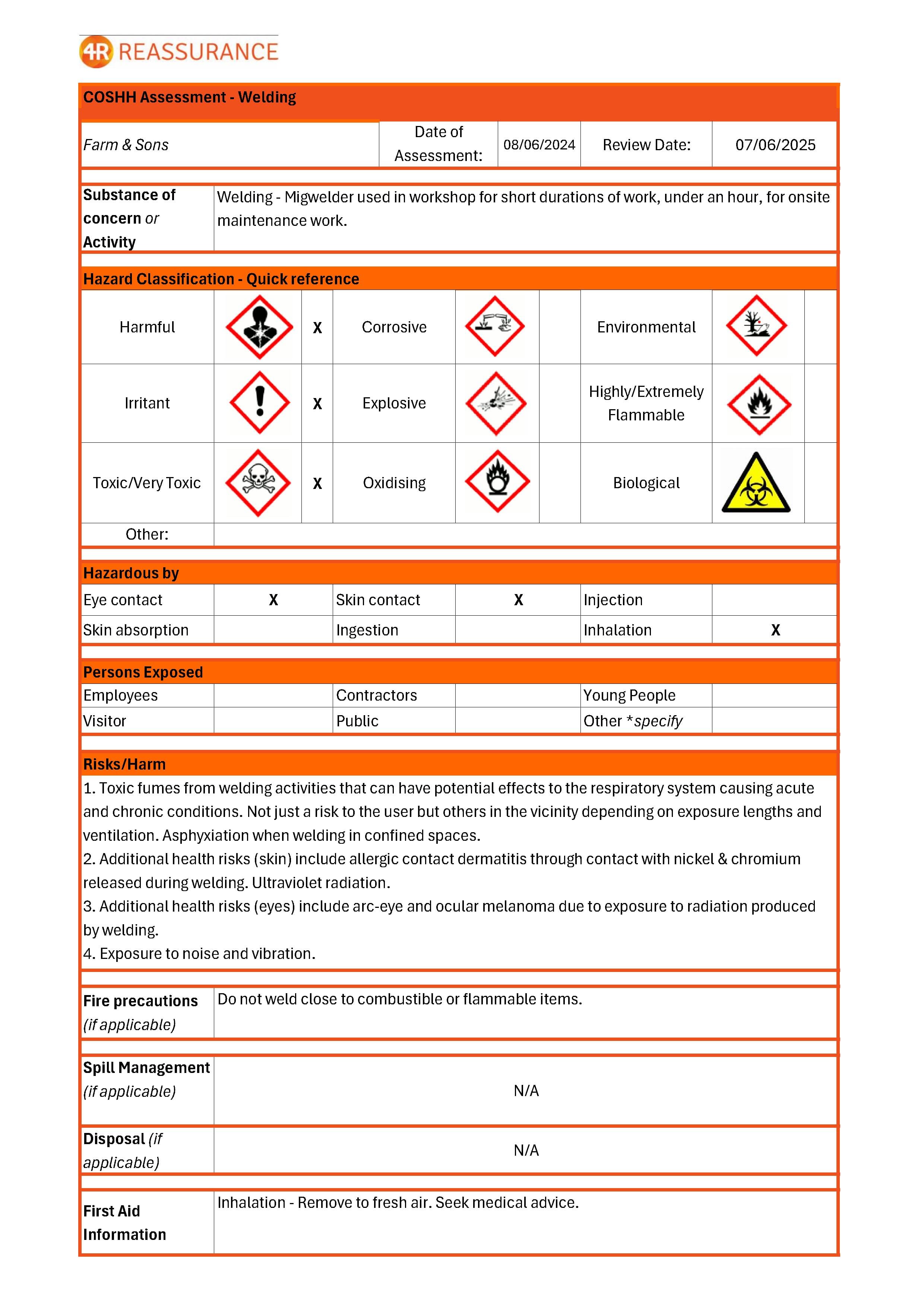
![COSHH _1]()
Farm COSHH assessments
An assessment of the chemicals you use and the jobs you use them on, with the controls needed to work with them safely and confidently. -
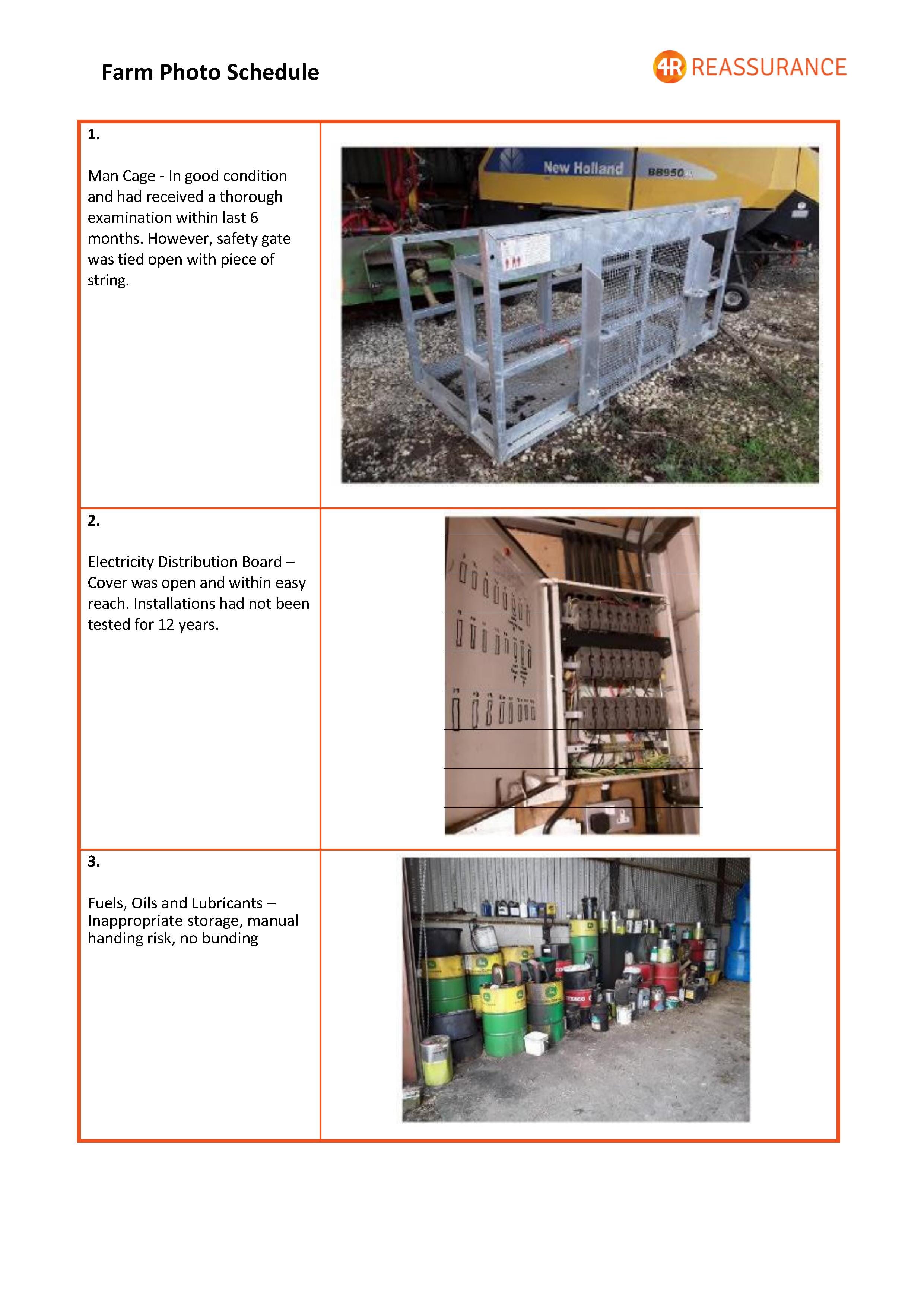
![Photo Schedule]()
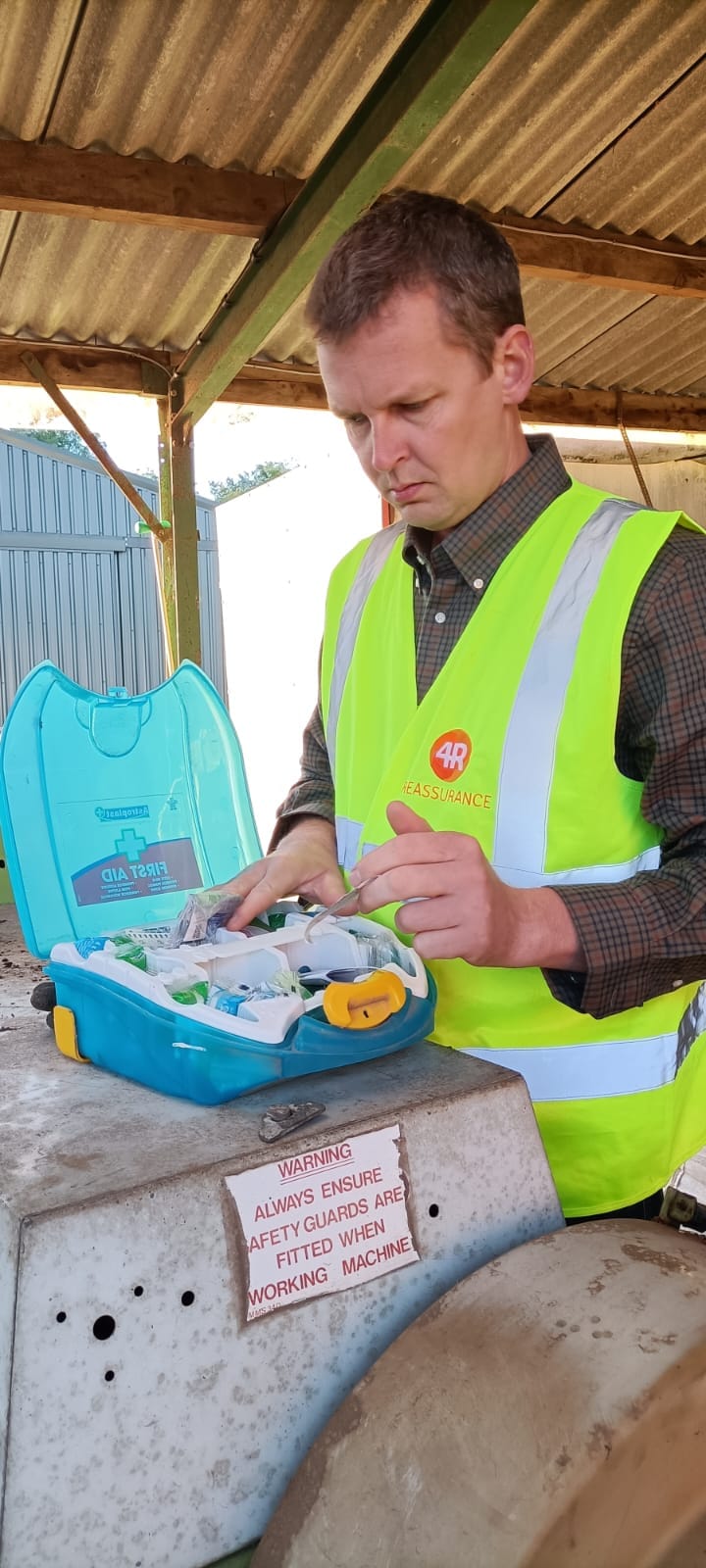
Farmyard inspection
We walk the farm with you, take photographs and make notes. If a PTO guard is missing, the photograph in your file is of your tractor. If a ladder has two rungs missing, it’s your ladder. -
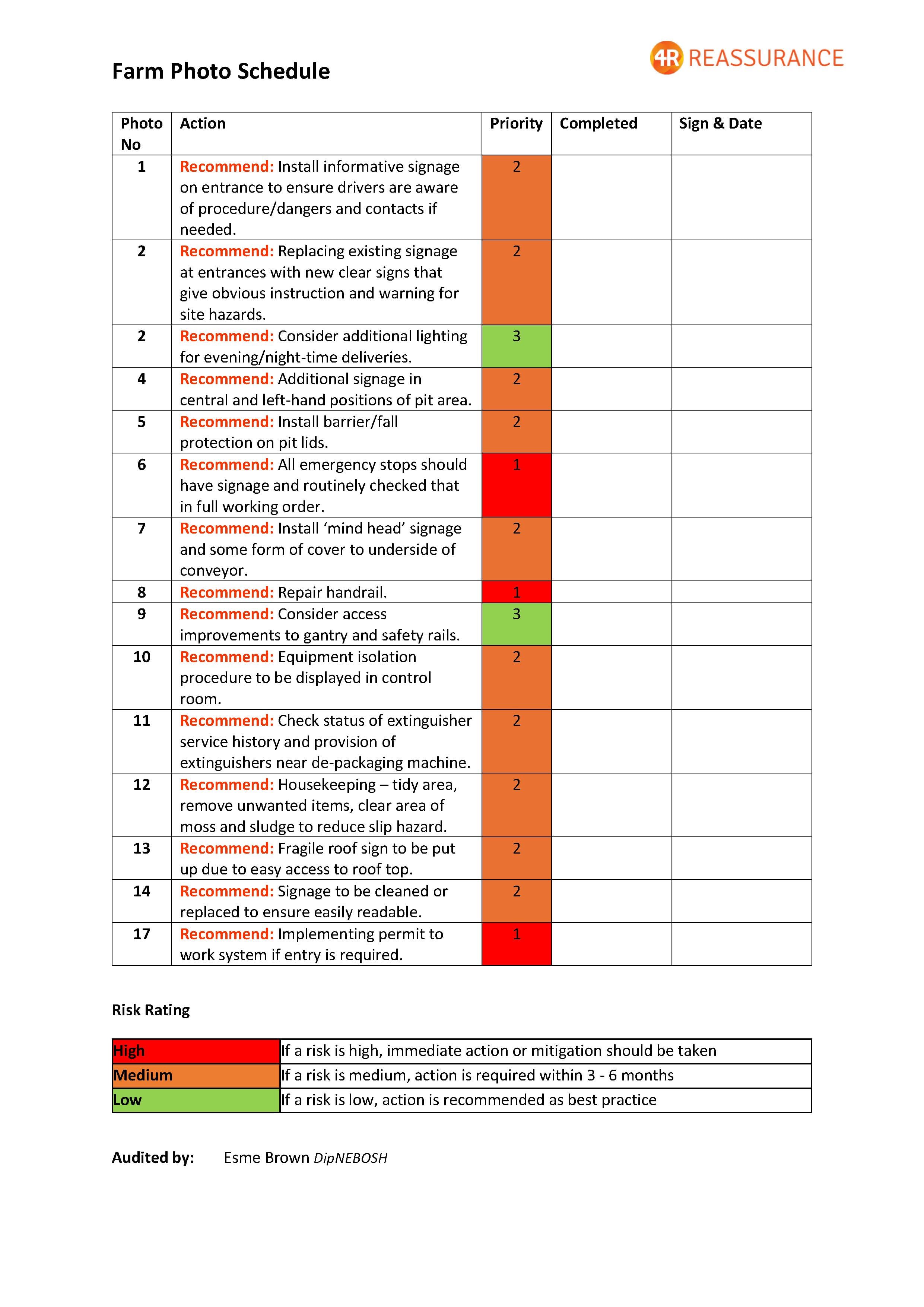
![Actions from Photo Schedule]()
Health and Safety action plan and policy
A clear plan showing what is working and what needs attention, with everything ranked red, amber or green so you know what to deal with first. -
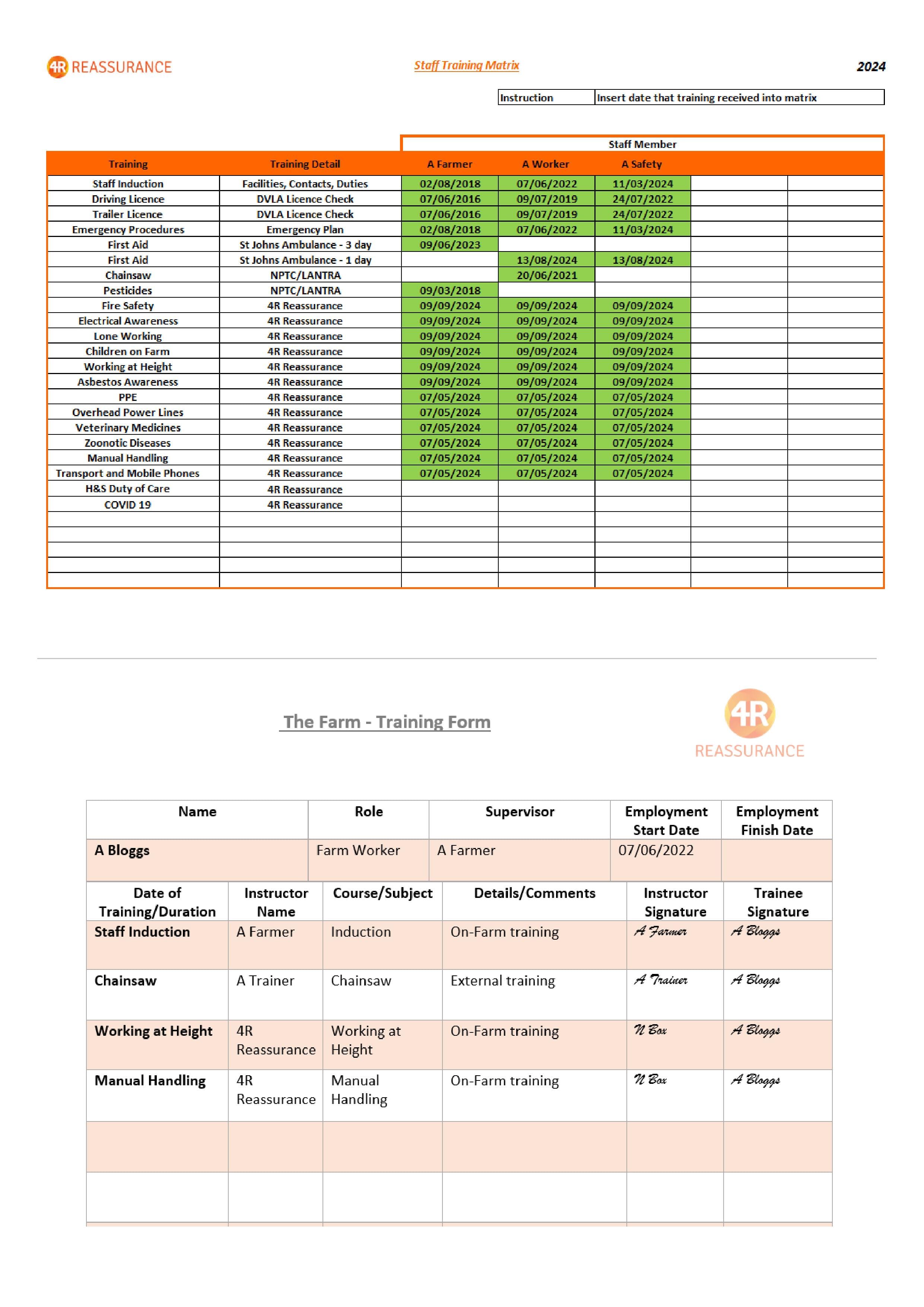
![Training & Matrix]()
Staff records and training plan
A record of who has been trained in what, and where the gaps are. -
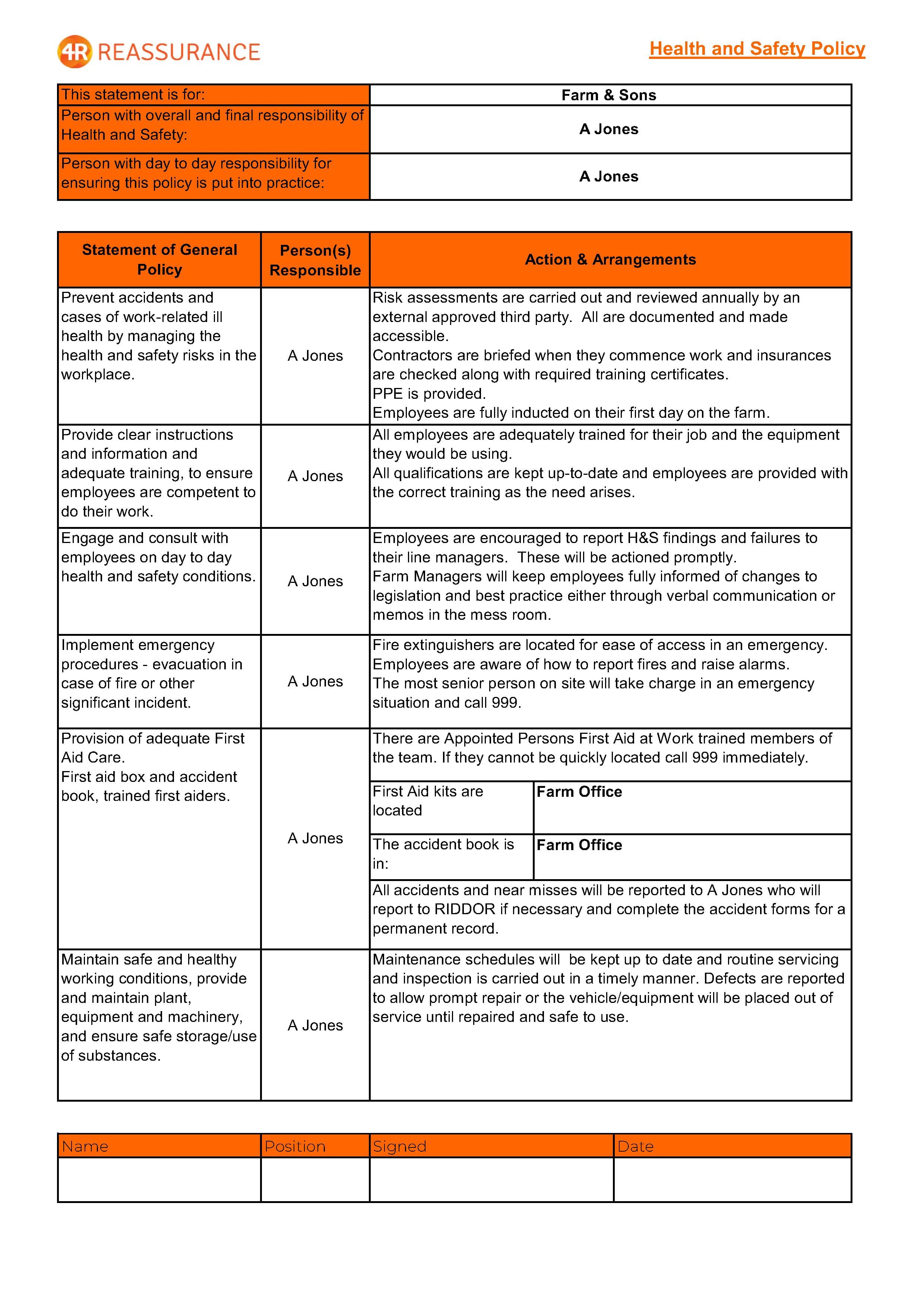
![H&S Policy]()
Farm policies
Policies written around how your farm runs and what the law specifically requires of you. -
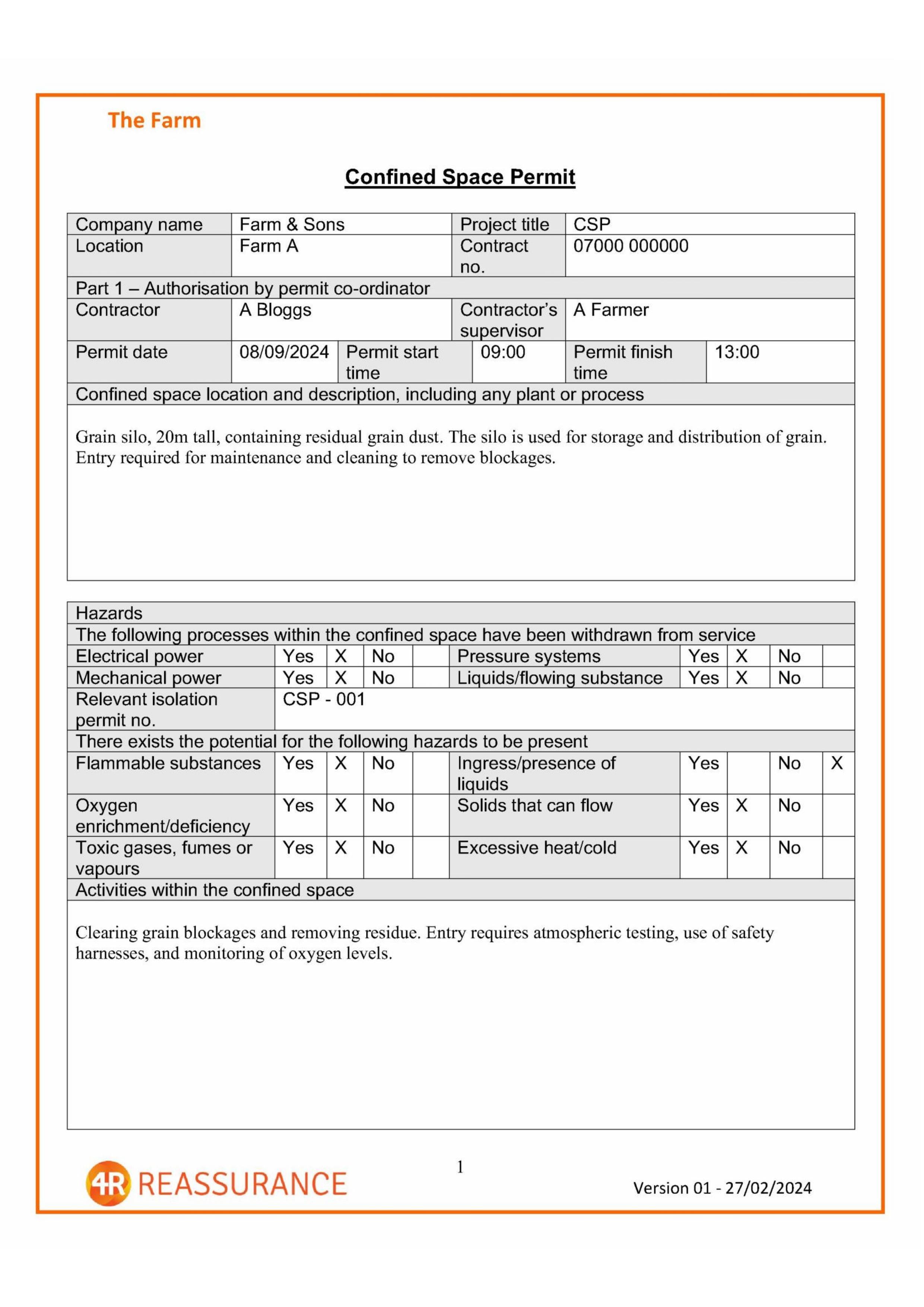
![4RR - Confined Space Permit]()
Permits to work
Where they’re needed, a formal system authorising high risk tasks, setting out the conditions and precautions before anyone starts.
Farm visits timed around your year
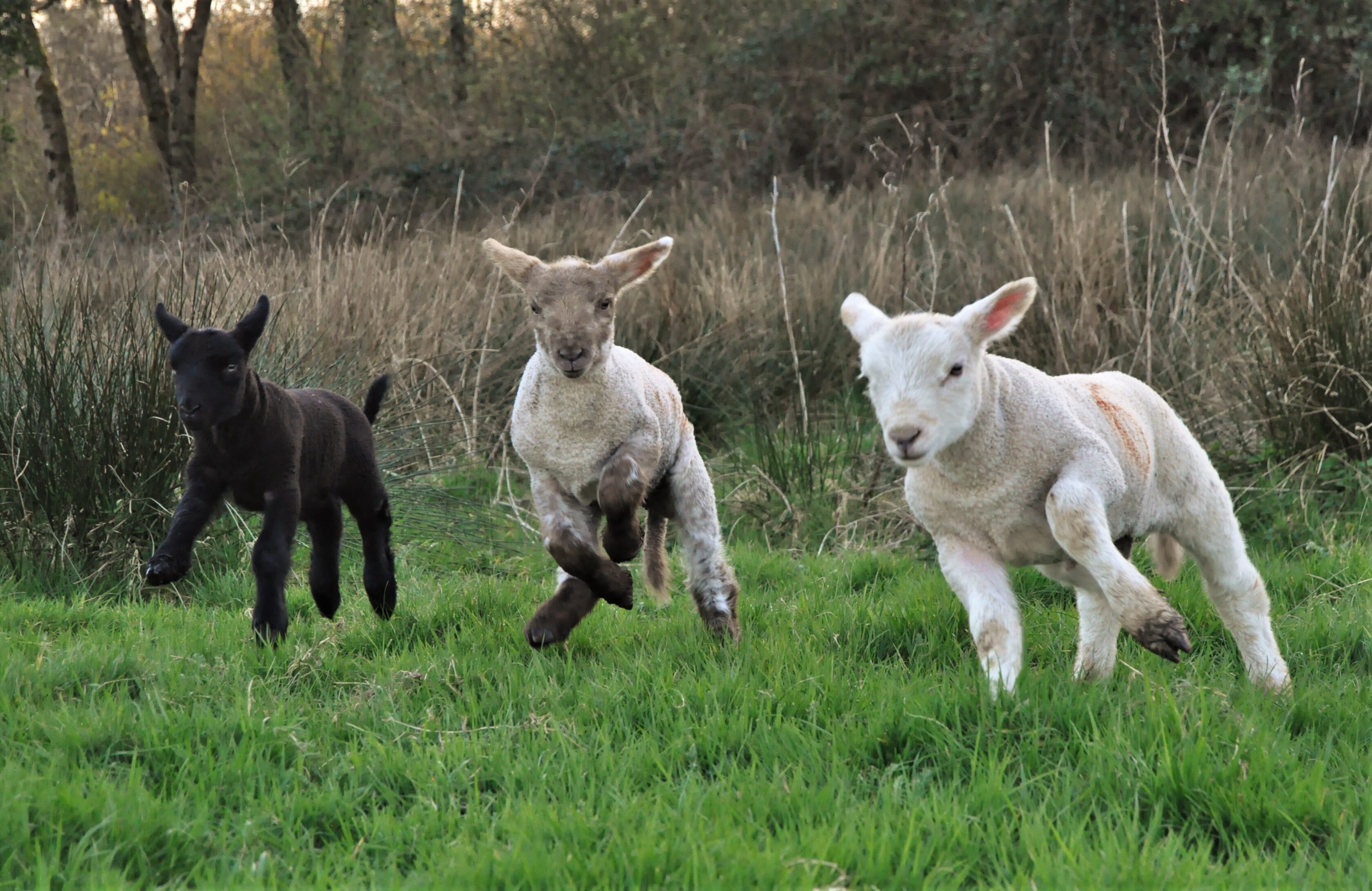
Four visits a year are what make the difference between a file and a safer farm. Each visit is agreed in advance and built around what’s happening on the farm, such as lambing, drilling, harvest, students arriving or winter maintenance.
What a visit can cover
-
HSE inspection. Pre-inspection audit so you know where you stand
-
Staff inductions. Awareness training and induction for new and seasonal workers
-
Harvest training. Toolbox talks before the busy period
-
Diversification. Site audits and information packs for lettings, storage, farm shops and holiday units
-
Farm events. Pre-event audit and traffic management plans
-
New buildings. Construction phase plans
-
Mental health. Awareness, signposting and training
-
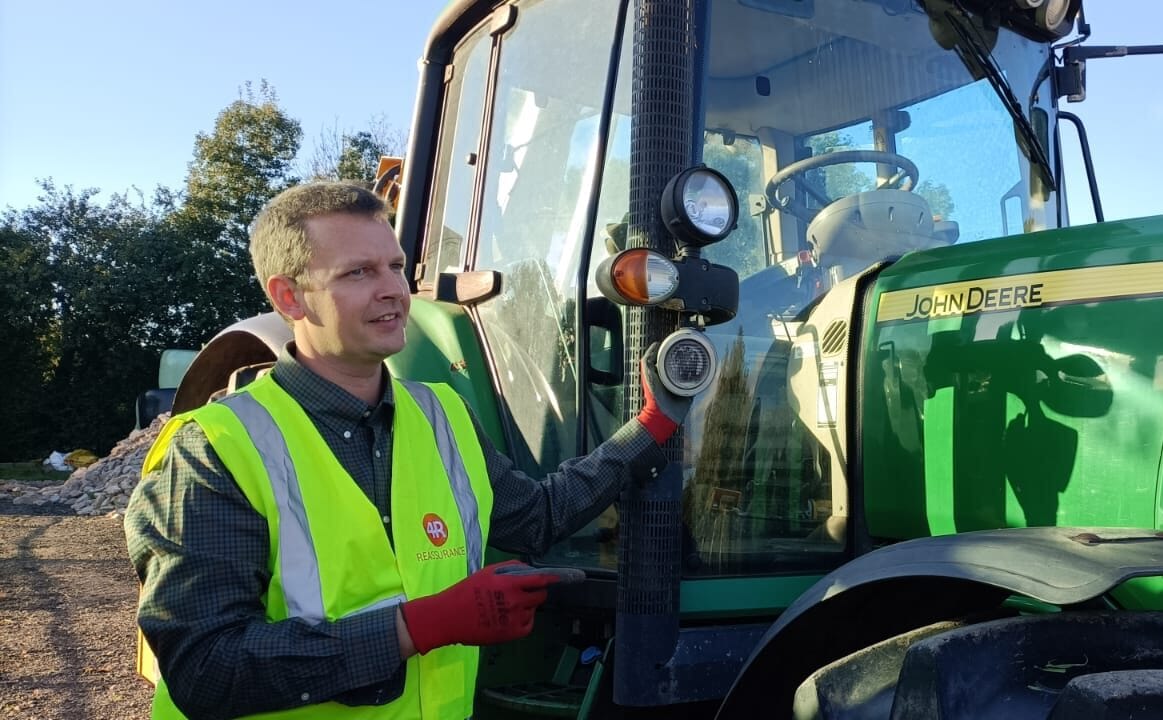
Recent events. We ran a session on mobile phone use in tractors because that was the issue on one farm that month.
Who our Health & Safety service suits
Farms and estates with employees, whether permanent, seasonal or family. Agricultural contractors. Mixed enterprise businesses where members of the public, tenants or third parties come onto the farm. Farms with a diversification such as lettings, storage, a farm shop or events.
If you’re a sole operator with no staff and no visitors, it’s unlikely you’ll need our full service. Call us to talk through your work and we’ll let you know what’s best for you.
Why this is worth doing properly
Prioritising farm health and safety is crucial because it protects the well-being of both farmers and their environment. By implementing proper farm safety protocols and equipment, farmers can prevent accidents and reduce the risk of injuries while also ensuring responsible land management.
-
![1000007486]()
The people on your farm go home safe
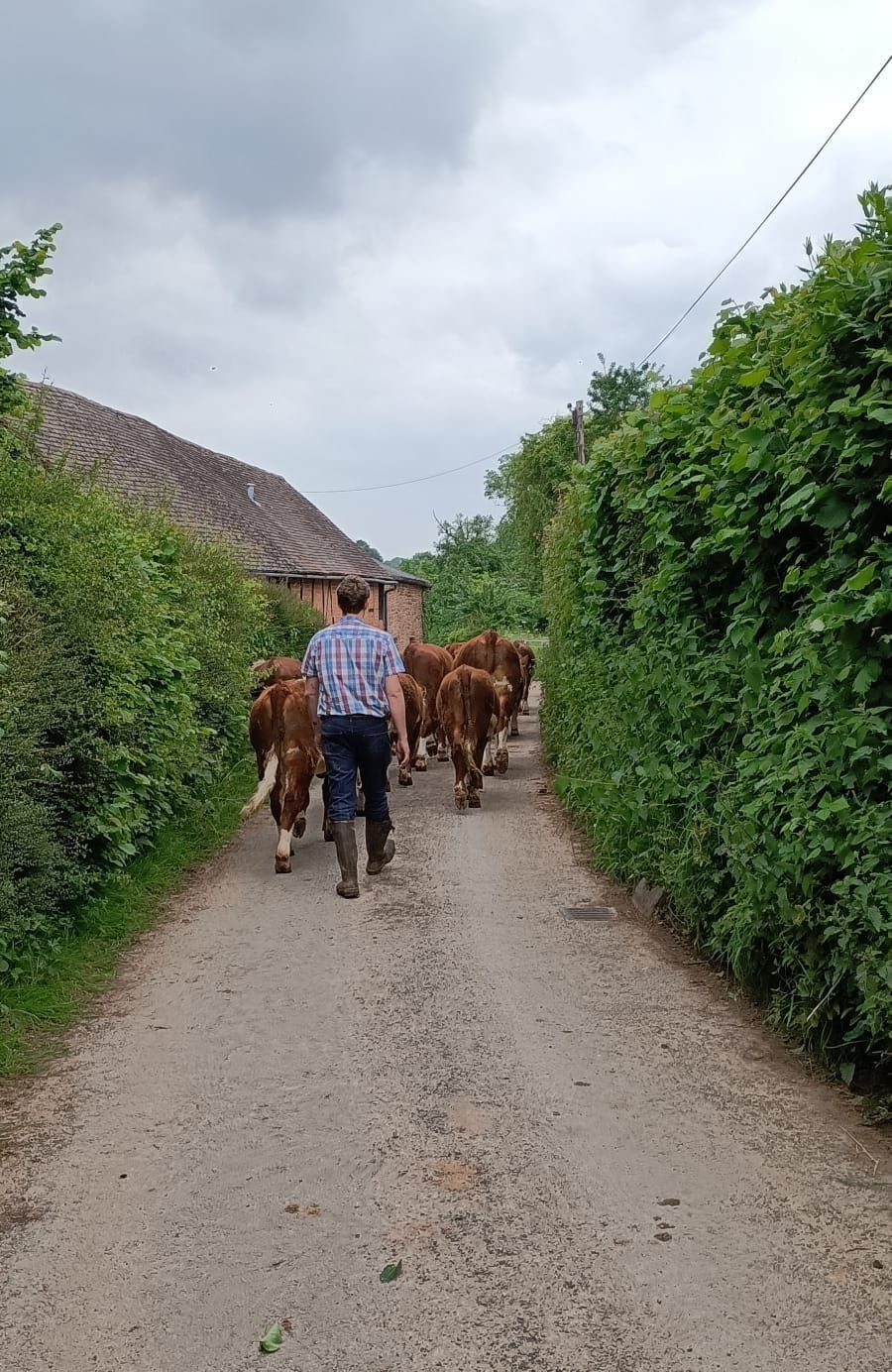
Machinery, livestock, working at height, vehicles and chemicals – the hazards on a farm are known and most incidents are preventable. Getting the controls in place is the whole point of the exercise and gives you the confidence to know you’ve done things right. -
![Untitled design (10)]()
You know you’ve met your legal duties
The Health and Safety at Work etc Act 1974 and the Management of Health and Safety at Work Regulations 1999 apply to farms like any other workplace. A current file, recorded risk assessments and evidence of training show you are managing risk rather than ignoring it. Being part way through a plan and able to show it counts for a great deal more than having nothing. -
![IMG-20260114-WA0000]()
Your staff take it seriously
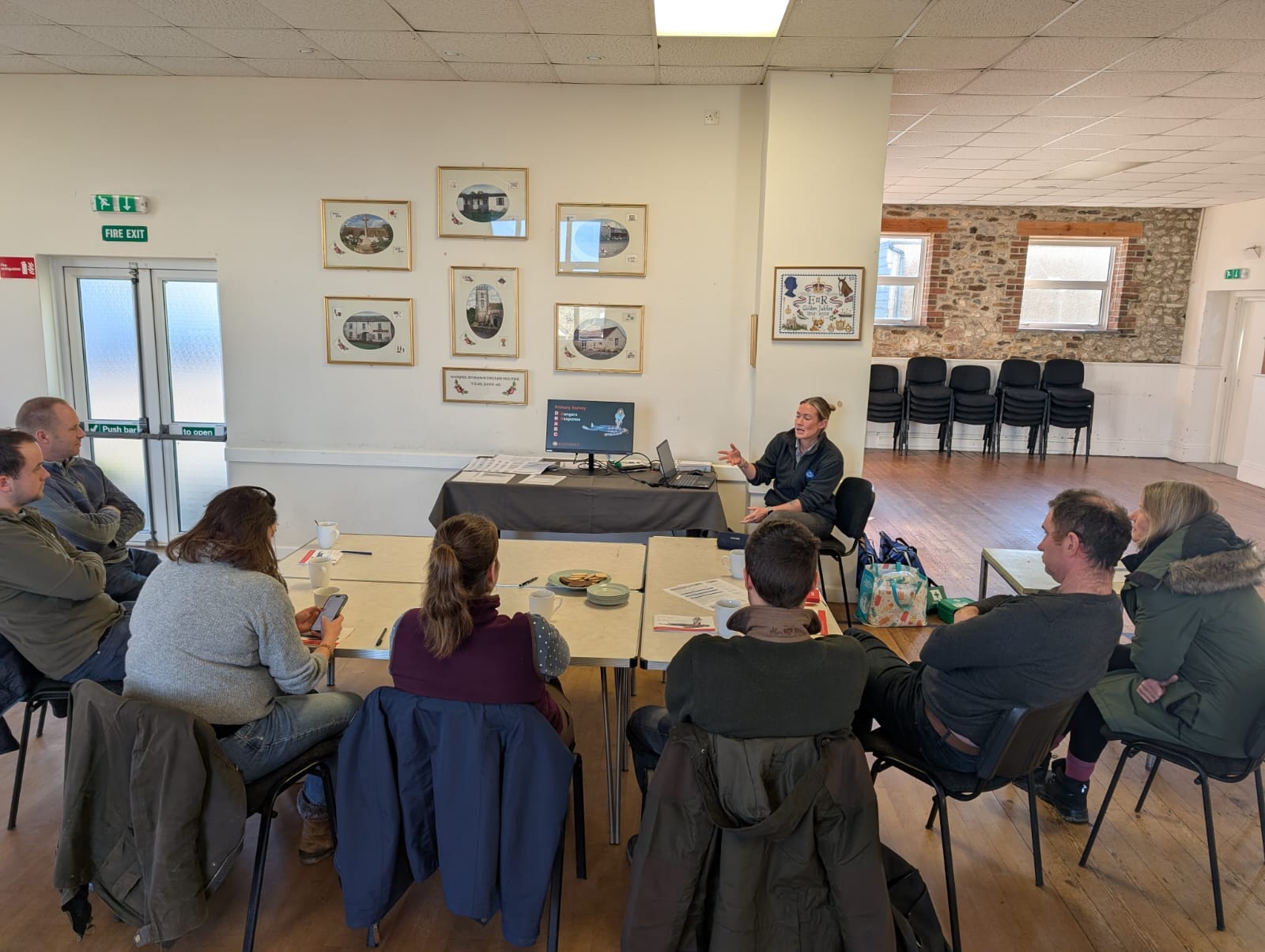
Health & Safety that arrives as a folder gets ignored. Whereas H&S that involves your team in a toolbox talk on the yard changes how they work. Engaged staff report hazards and follow safe systems because they understand why they exist. -
![1000008492]()
You’re ready when someone turns up
An HSE visit, a farm assurance audit or an insurance review is straightforward when the file is current, the assessments are recorded, the training is logged and the site plans are on the wall. We run pre-inspection audits so nothing is a surprise. -
![Chainsaw Licence]()
It can help with insurance
Documented risk assessments, training records and a maintained Health and Safety file give your insurer evidence that risk is being managed. That can mean a lower premium and makes a claim easier to defend. Talk to your broker about what they’ll recognise. -
![Untitled design - 1]()
Health & Safety stops being a chore
After a year or so, it becomes part of how your farm runs, in the same way as drilling or cultivating. That’s when it starts paying for itself.

Your questions, answered
Want to improve the safety culture on your farm and reduce likelihood of lost hours and claims? See our FAQs.
Do I need a Health & Safety policy on my farm?
What’s included in a farm Health & Safety file?
How often should farm risk assessments be reviewed?
How can I reduce my insurance premiums through farm health & safety?
What happens during an HSE farm inspection?
Can I use a farm health and safety policy template?
How can I reduce the risk of employee claims on my farm?
Can farm health and safety reduce my insurance premiums?
How do I get my staff to take health and safety seriously?
How much does farm health and safety cost?
4R Reassurance Blog & News
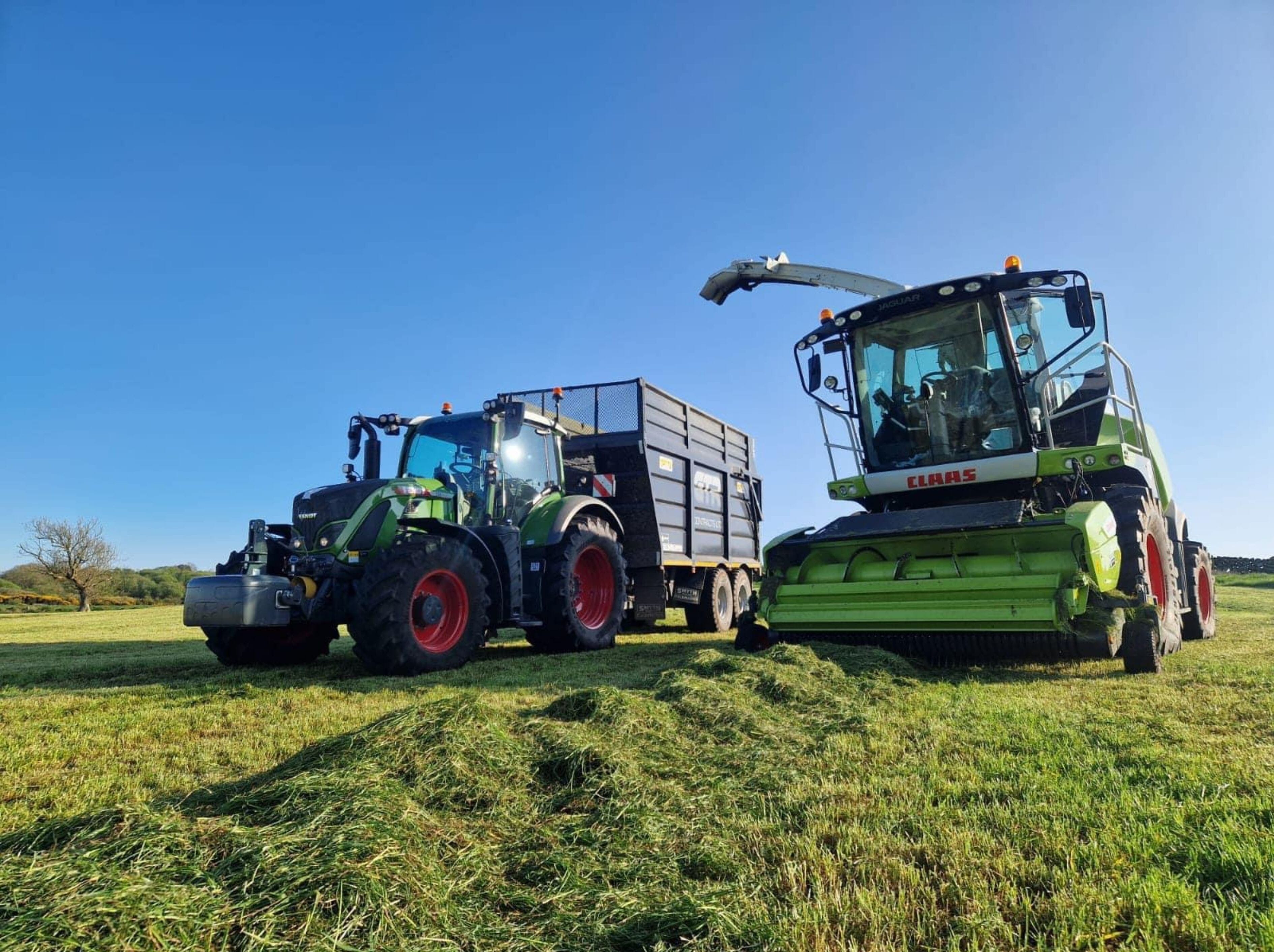
The 5 Most Common Farm Health & Safety Risks and How to Control Them
How Regular Farm Soil and Manure Sampling Can Help Reduce Fertiliser Costs

Talk to us about your farm!