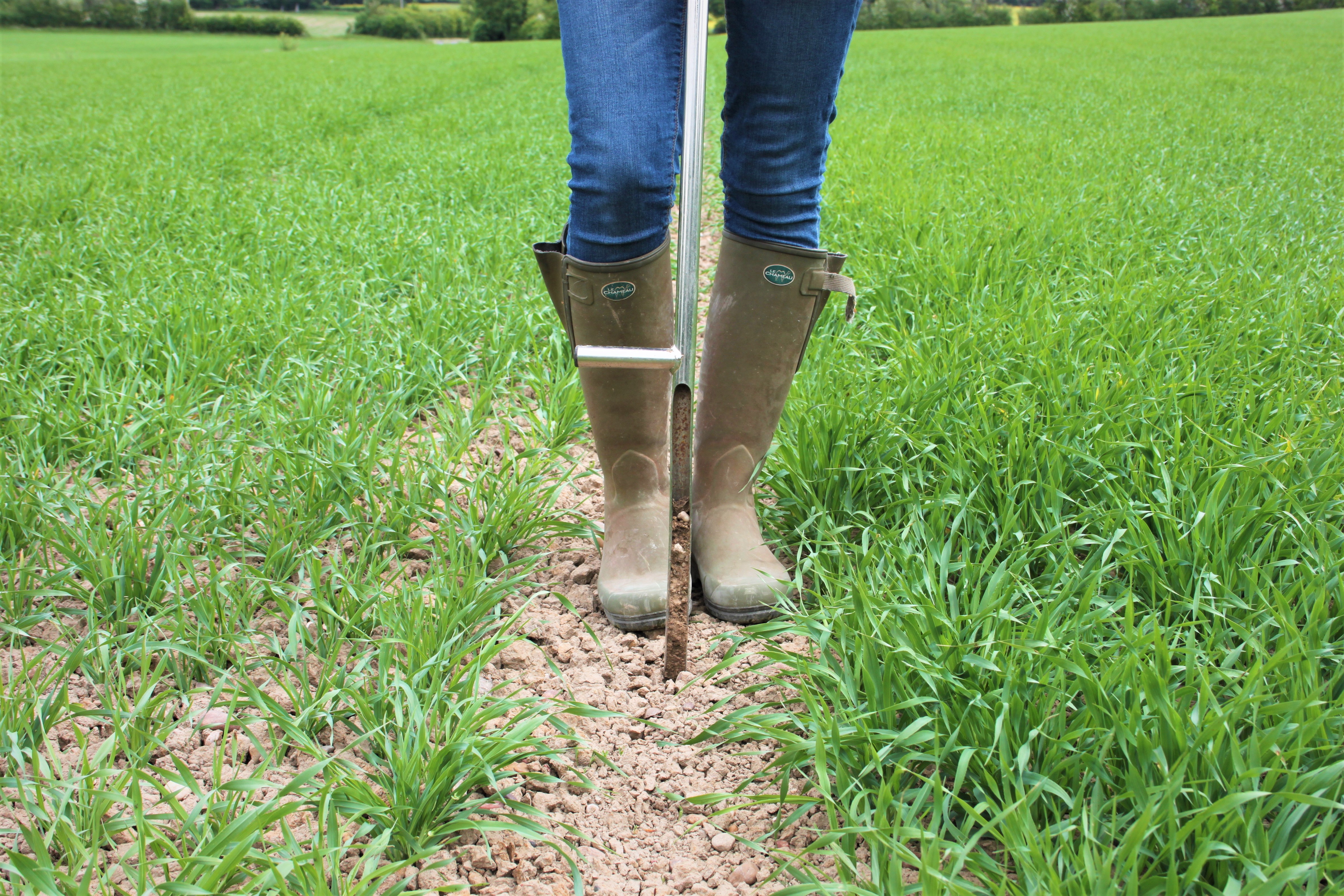
SOIL & MANURE SAMPLING & ANALYSIS
Optimising soil health for sustainable farming

Soil sampling isn’t just best practice – it’s a legal requirement.
Soil sampling is a valuable tool in ensuring the long-term productivity and health of agricultural land. To stay compliant, farmers must regularly assess their soil’s properties, a practice which also allows farmers to optimise farming practices, maximise crop yields, and promote sustainable land management.

A tailored approach to soil health
By combining advanced testing methods with expert agronomic advice, we help you understand and enhance your soil’s fertility and structure.
What’s included:
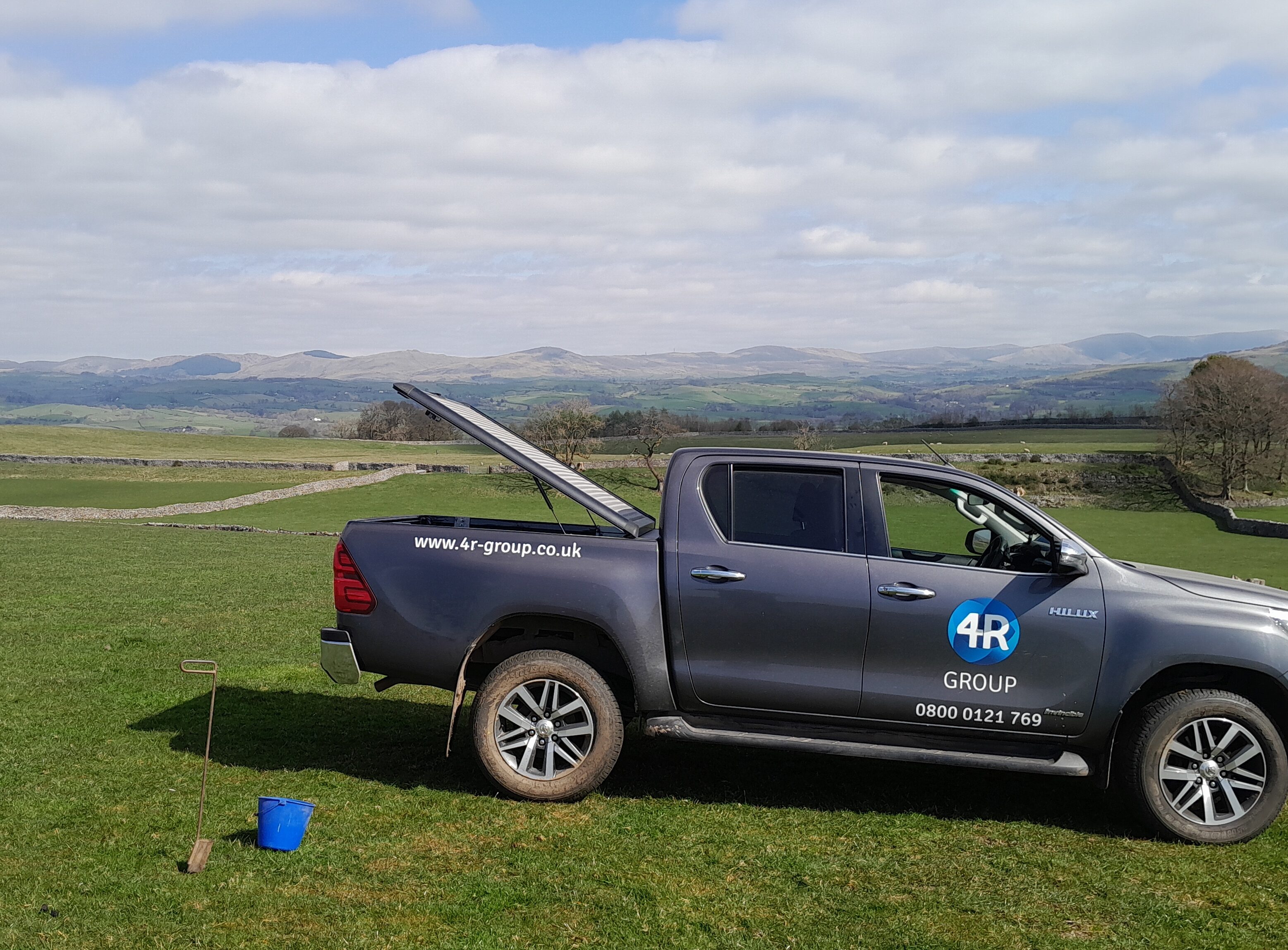
Comprehensive Soil Testing
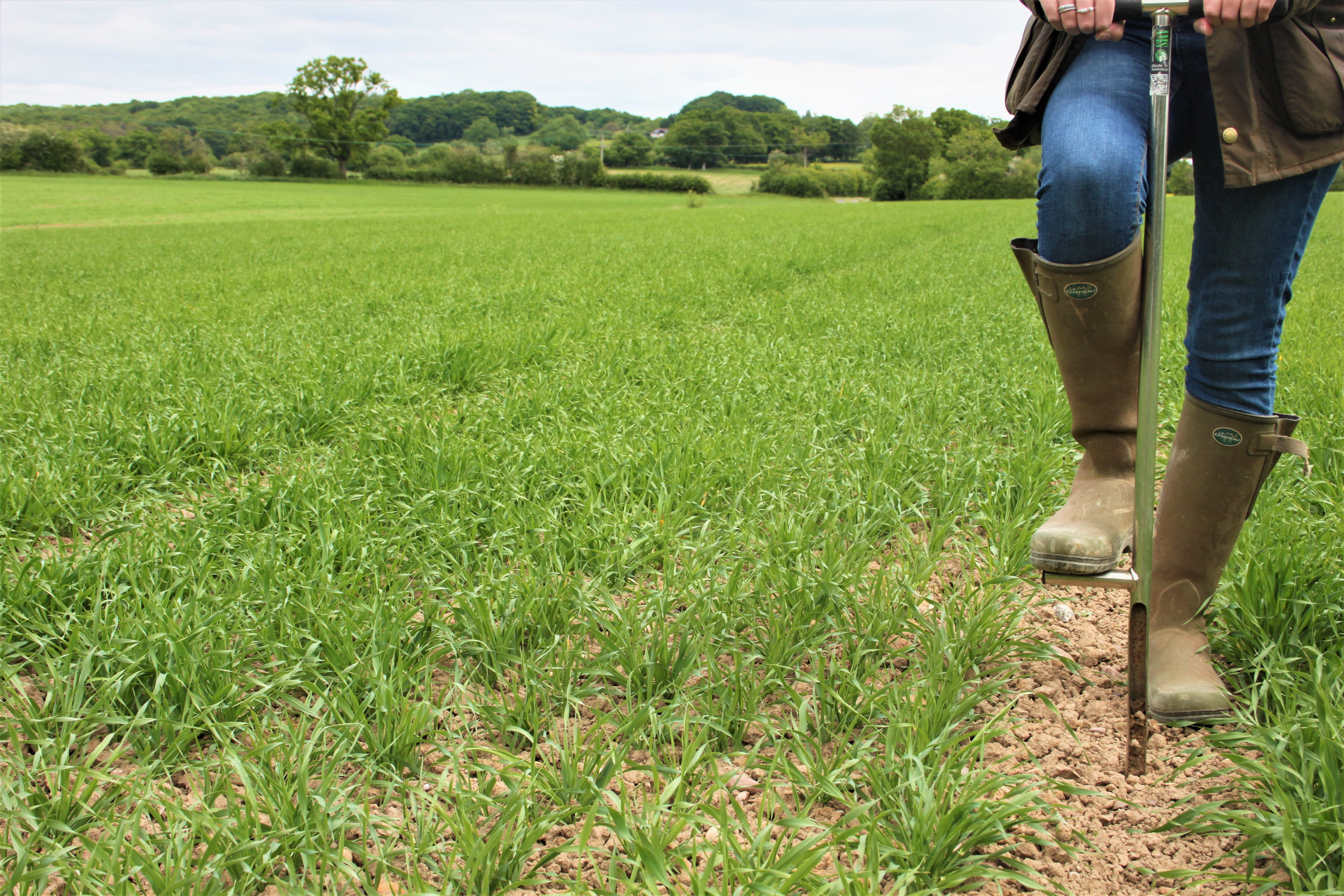
UKAS-Accredited Analysis
Support for Nutrient Management Plans
Reasons to carry out regular soil sampling and testing
Soil and manure sampling are essential to enable farmers to evaluate the fertility, nutrient composition, and overall condition of their soil. This understanding empowers farmers to make well-informed choices regarding fertiliser application, crop selection, and irrigation management.
Regular soil and manure analysis empowers farmers to:
Ensure Legal Compliance
Meeting obligations under regulations like the Reduction and Prevention of Agricultural Diffuse Pollution (England) Regulations 2018
Enhance Crop Productivity
Tailoring nutrient applications based on accurate soil data to maximise yields.
Promote Environmental Stewardship
Reducing nutrient runoff and protecting local ecosystems through informed management practices.
Achieve Cost Savings
Optimising fertiliser use to avoid over-application and reduce input costs.
Maintain Soil Health
Monitoring and improving soil structure and fertility for long-term agricultural success.

Benefits you can measure
Soil sampling is vital in developing and executing an effective nutrient management plan for agricultural operations.
-
![IMG-20240619-WA0008]()
Valuable Insights
Soil analysis comprehensively examines the soil sample to determine its chemical, physical and biolgical properties -
![IMG_8910]()
Identifies Nutrient Content
Results indicate whether soil has sufficient nutrient levels to support healthy plant growth or if supplementation is required -
![Untitled design (8)]()
Soil Texture
Understanding soil texture helps farmers make appropriate irrigation and nutrient management decisions -
![Soil Sampling]()
pH Level Assessment
Different crops have specific pH requirements for optimal plant growth -
![slider-4]()
Cation Exchange Capacity
Helps determine the soil’s nutrient-holding capacity and the need for additional nutrient inputs -
![Corfield (1)]()
Organic Matter Analysis
Indicates the level of beneficial microorganisms that contribute to nutrient cycling and soil health

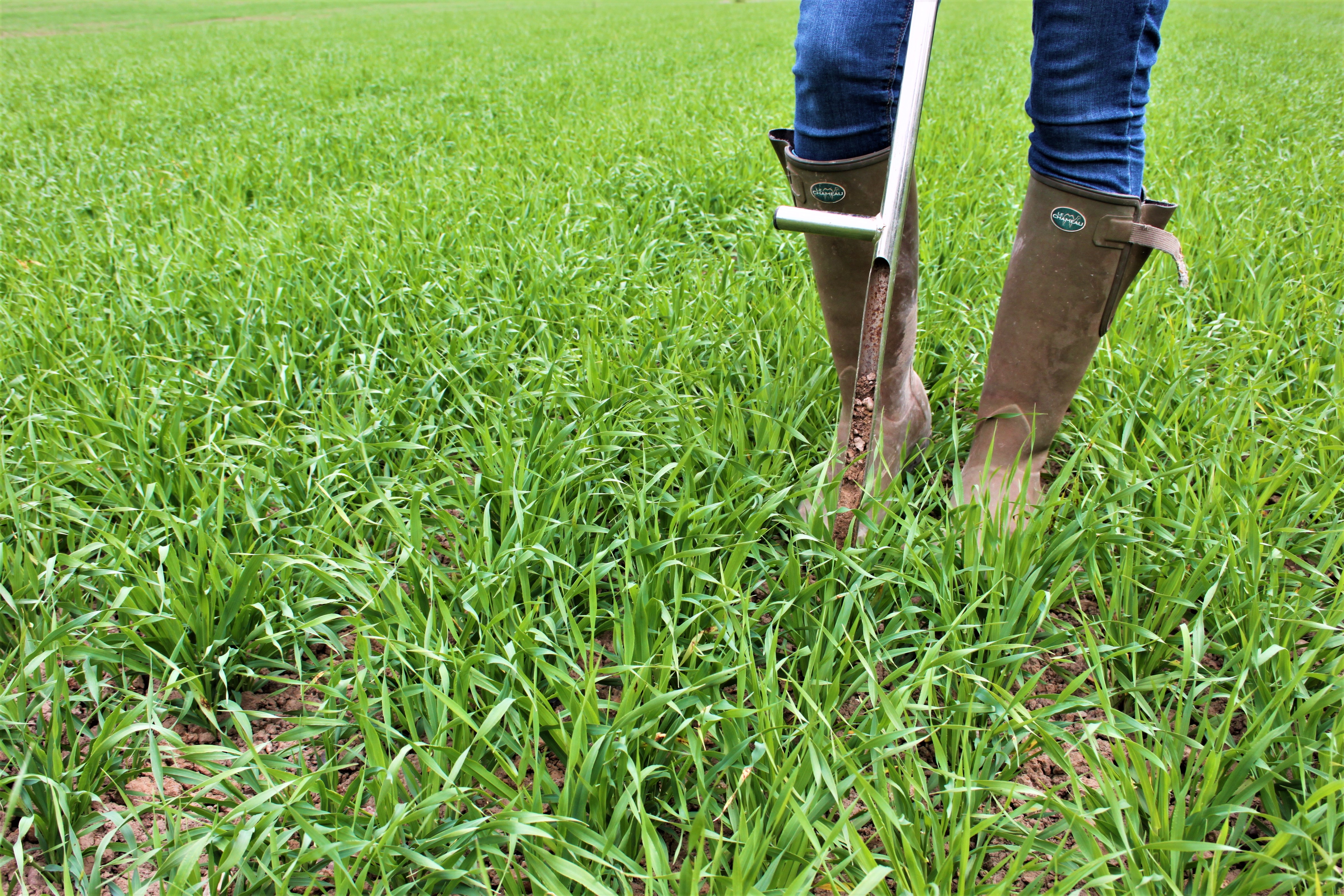
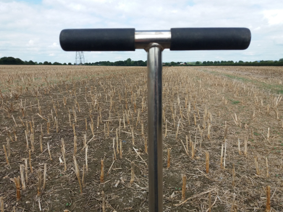

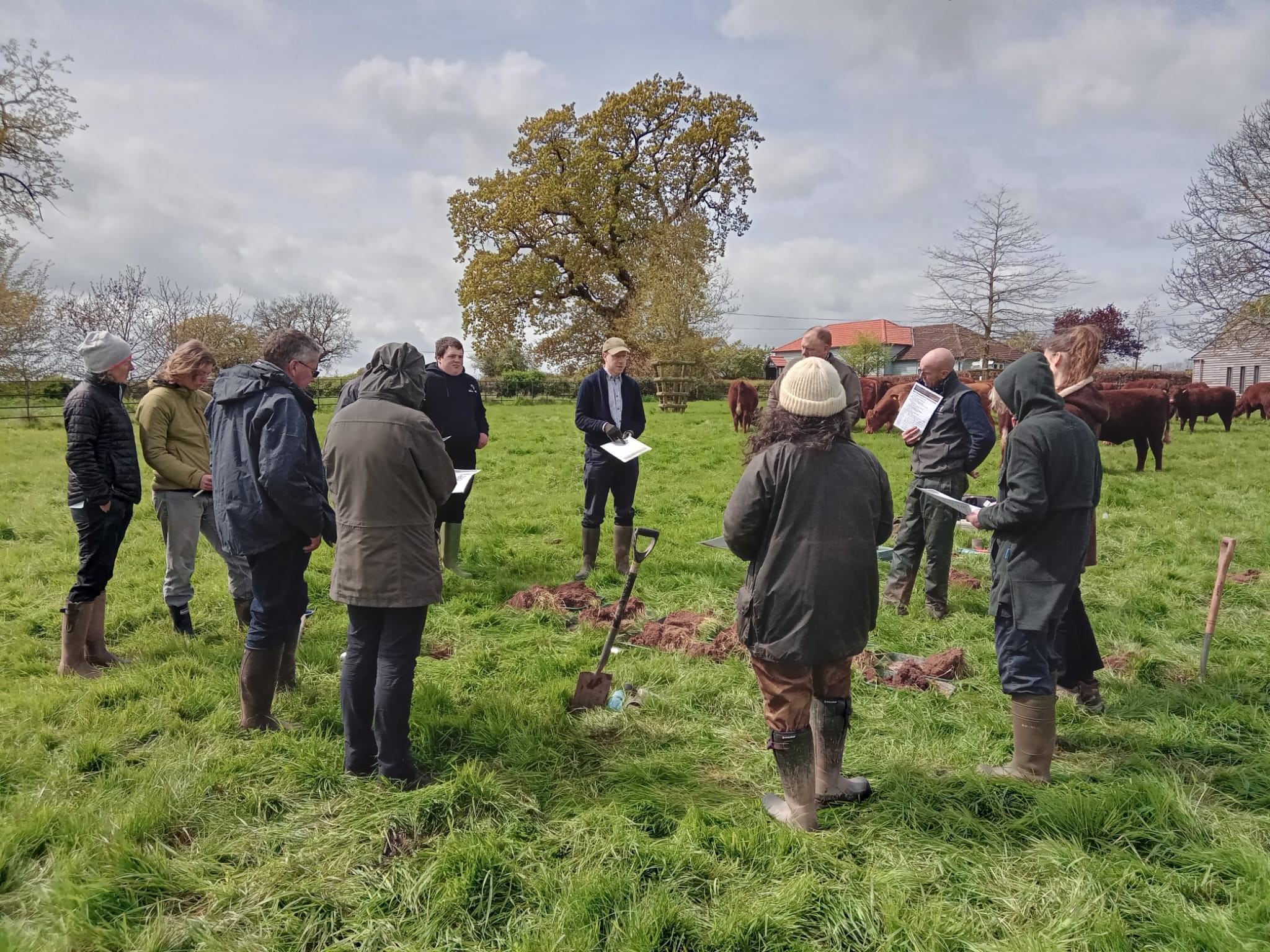
Soil analysis and sampling helps farmers improve plant health and productivity.
Baseline assessment identifies any nutrient deficiencies or imbalances in the soil
Nutrient analysis determines the levels of essential nutrients such as phosphorus and potassium
Nutrient recommendations specify the appropriate amount and type of fertilisers or soil amendments
Precision application of fertiliser reduces the risk of over-application and maximises fertiliser efficiency
Monitoring assesses the effectiveness of the nutrient management plan allowing for adjustments to optimise soil fertility
By integrating soil sampling into a nutrient management plan, farmers can make informed decisions about fertiliser application, minimise nutrient imbalances or losses, reduce environmental impact, and maintain sustainable soil health for long-term productivity.
Your questions, answered
Want to improve yields and reduce risks on your farm, but have some questions? See our FAQs.
What is the importance of soil sampling in agriculture?
How do I do a sample soil test report for agriculture?
How does soil and manure sampling contribute to savings and efficiency?
What parameters are tested in soil & manure analysis?
How often must soil sampling be done legally?
How are results used in a Nutrient Management Plan?
Helping you focus on farming!

4R Reassurance Blog & News

4R Group Achieves Outstanding Results in Recent Achilles B2 Audit

4R Reassurance Partners with the Country Land and Business Association